I have taught indoor cycling for 14 years, most of them in a converted garage in Boise where the temperature swings 40 degrees between July and January, and where every bike I have owned has eventually needed a wrench. In that time I have watched riders spend their entire budget on the bike and quit in month two, not because the bike was bad, but because their seat bones hurt, their seat post slipped, and they had nothing to ride on the days their legs were cooked. A home spin bike setup is not one purchase. It is four decisions that stack: the bike, the thing your sit bones touch, the tool that keeps the bolts honest, and whether you want a second cardio machine for the days you cannot face another interval.
This is the comparison I walk riders through when they ask me what to buy. I have not ridden every product below for 50 miles, so I am not going to pretend I have. What I can tell you is what each listing actually promises, what it leaves out, and where each piece belongs in the order of spending.
The short version: the bike is the anchor. The seat cushion is the cheapest fix in home fitness. The torque wrench is the purchase nobody makes until they strip a bolt, and the folding treadmill is the one that either gets used four times a week or becomes a very expensive place to hang laundry. Buy the bike first, the cushion second, and the wrench before you touch a single bolt on either machine.
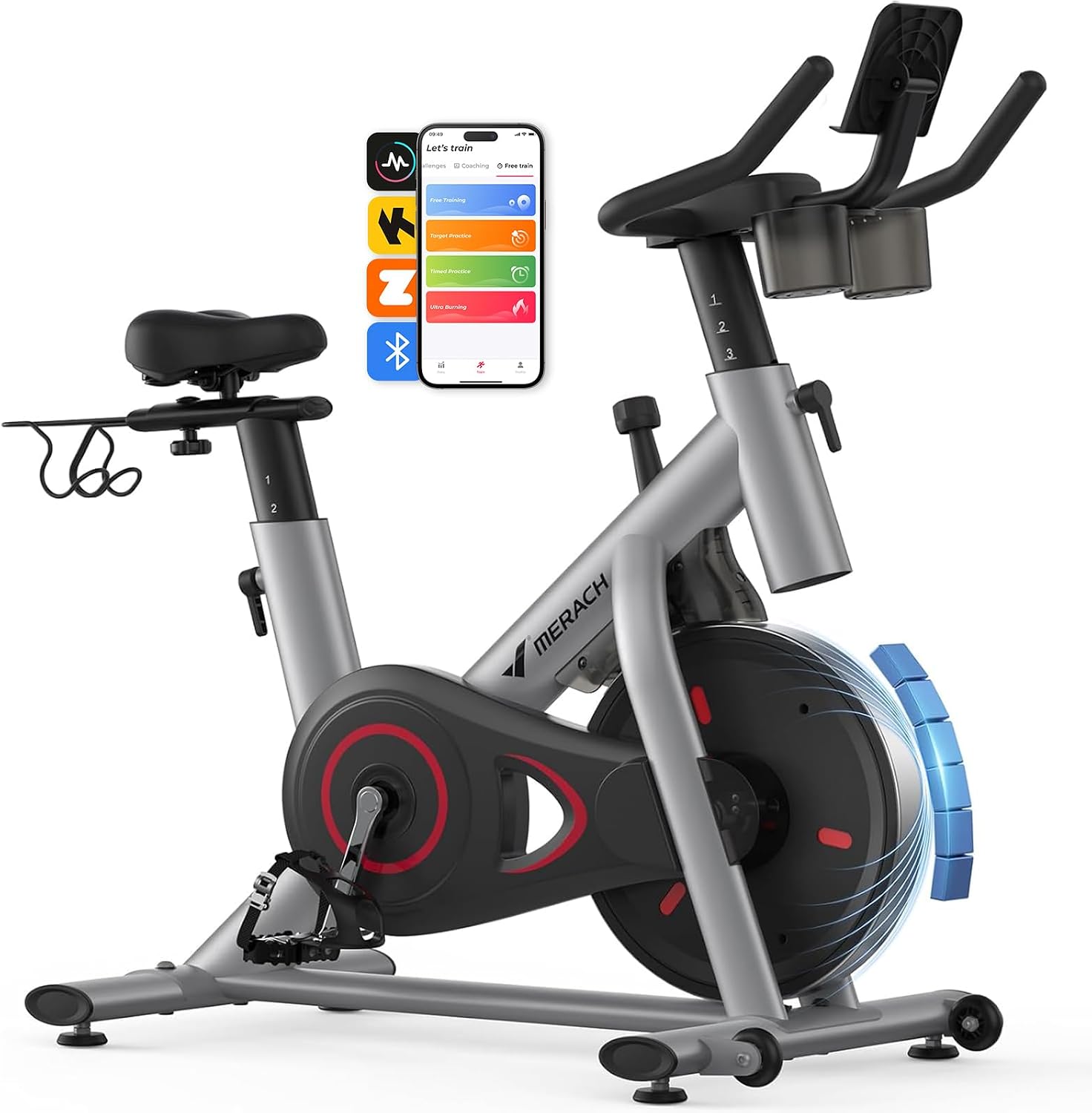
MERACH Exercise Bike, Magnetic Friction Stationary Bike for Home with APP
Magnetic friction resistance means no felt pad to wear out and a smoother pull through the whole range, plus app pairing if you want guided rides
At this price tier the stock seat and pedals are usually the first things a daily rider replaces, so budget for that
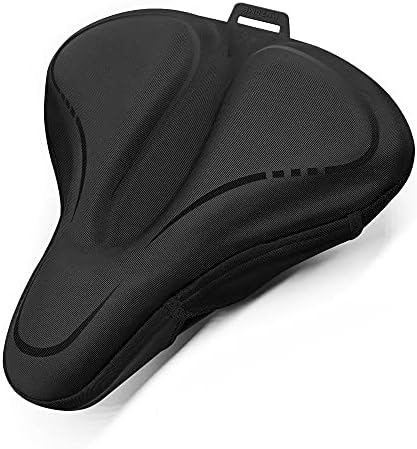
ANZOME Bike Seat Cushion, Wide Foam & Extra Soft Gel Exercise Bike Seat Cushion
Wide foam plus gel, sized for 8.5 to 10 inch saddles, with a rain cover included for a garage or patio setup
A cushion hides a saddle problem rather than solving it, and a thick one can shift under you during a standing climb
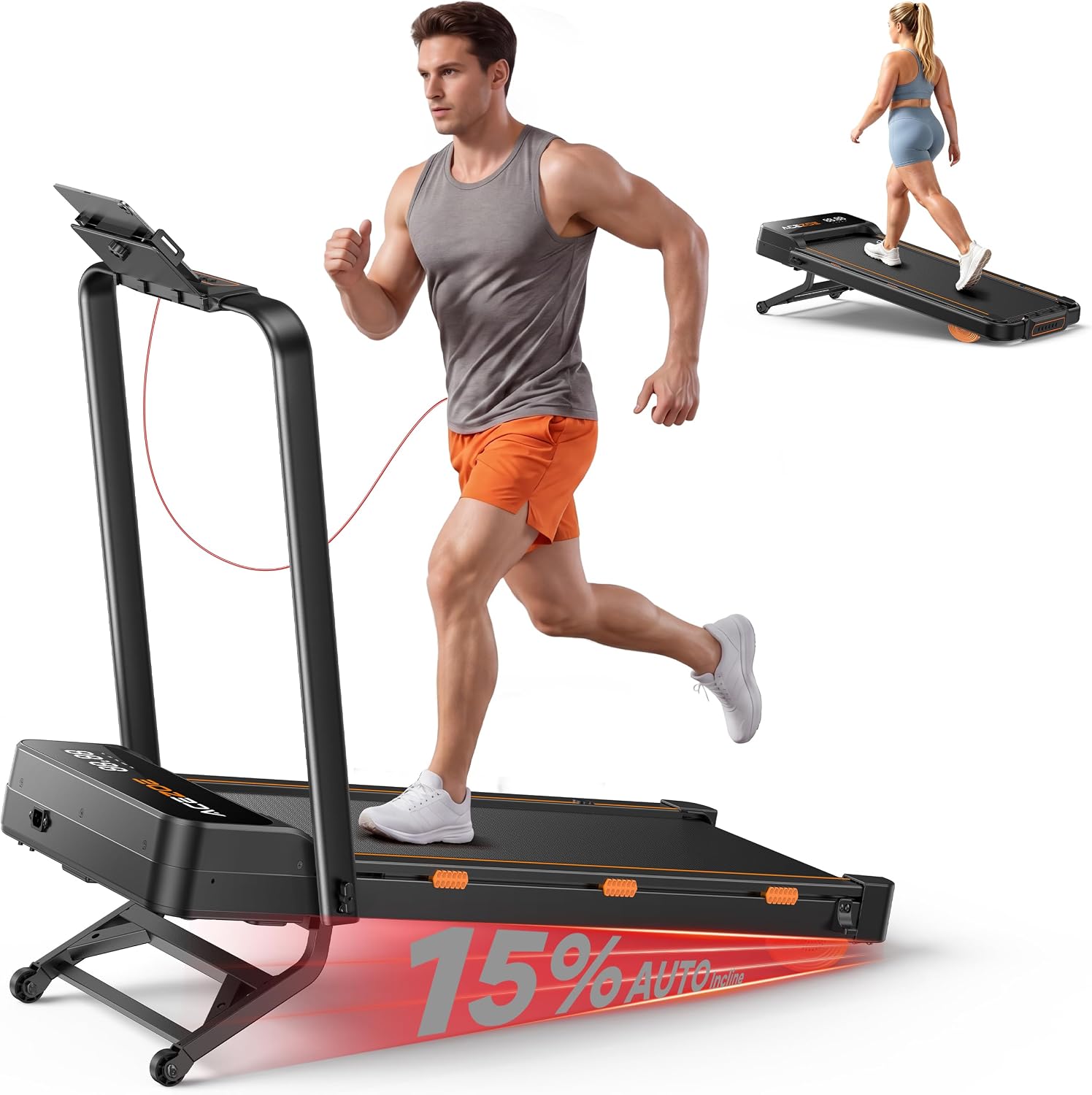
Folding Treadmill with 15% AUTO Incline and Handle Bar for Home Exercise
15% automatic incline and a handle bar make it useful for walking and incline work, and it folds away when the spin bike is the priority
It is a second machine competing for the same floor space, and running is not the low impact option your knees were promised
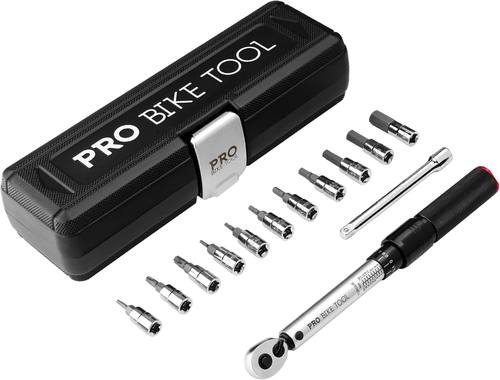
PRO BIKE TOOL Bike Torque Wrench Set, 1/4 Inch Drive, 2.2-16.9 Nm
A 2.2 to 16.9 Nm range covers seat post collars, stem bolts, cleat bolts, and most console mounts, so you stop guessing with a hex key
If you never adjust a bolt, it sits in a drawer, and a good multi-tool would have covered you
Prices and availability were captured from Amazon Creators API and may change.
The bike is the anchor, and resistance is the spec that matters
The MERACH is the centerpiece here, and the detail worth understanding is right in the name: magnetic friction resistance. In practice that means the brake is magnets rather than a felt pad pressing on the flywheel. This matters more than any other marketing word on a budget bike listing, for one reason. Felt pads wear. They wear faster if you ride daily, they wear unevenly, and the first symptom is a resistance range that suddenly has a dead zone at the bottom, where you turn the knob and nothing happens. That dead zone is what kills cheap bikes in year two, and it is why I tell riders to look for magnetic resistance if they can afford it.
The app pairing is the other headline feature, and I will be honest about how I feel about that. Guided classes are genuinely useful for the first three months, when you are building the habit and you do not yet know how to structure a ride. After that, most of the riders I coach either keep paying because they like the accountability or they drop it and ride to music. Either way, the bike has to stand on its own. A bike that only works because of a subscription is a rental.
Here is what the listing will not tell you, and what I would check before buying any bike at this level. Sit on it and pedal for five minutes. If your knees feel wide, the pedal spacing is too wide for you, and no amount of adjustment fixes that. Then stand up at high resistance and rock side to side. A bike that wobbles at sprint speed is not a comfort problem, it is a safety problem, and it is the single most common flaw in the budget tier. Finally, check whether the seat post holds. If it slips when you are out of the saddle, you will spend more time fiddling than riding.
One more thing about the resistance. Magnetic friction on a home bike is not the same as the magnetic system on a commercial studio bike, and it is not supposed to be. The question is whether the resistance is smooth across the whole range, from the first turn to the last. Turn the knob slowly and feel for steps, catches, or a spot where it suddenly jumps. Smooth beats heavy every time.
The seat is the first thing to replace, not the last
I have said this to hundreds of riders: the seat is the first thing to replace on 90 percent of budget bikes. Factor it into the price before you buy, not after you quit. The ANZOME seat cushion is the cheap version of that fix, and it is a legitimate one for a specific rider.
The listing describes wide foam with extra soft gel, sized for saddles 8.5 to 10 inches wide, compatible with cruisers, stationary bikes, and exercise bikes, with a rain cover included. That width range matters more than the gel. A cushion that is too narrow does nothing for your sit bones. A cushion that is too wide rubs the inside of your thighs raw over 45 minutes. If your saddle falls inside that 8.5 to 10 inch window, the fit is plausible.
Where this cushion wins is the first month. Most new riders have not been on a bike in years, and the sit bone pain that shows up around day three is normal tissue adaptation, not a defective saddle. A gel cushion makes that adaptation tolerable enough that you keep riding, which is the entire point. It also helps riders with a wide hip structure who find narrow performance saddles genuinely painful.
Where it loses is everything after that. A cushion is a band-aid on a fit problem. It raises you slightly, which changes your effective saddle height and can introduce knee discomfort if you do not drop the seat post to compensate. A thick cushion also compresses and shifts under load, so during a standing climb it can move under you at exactly the wrong moment. And if your problem is chafing rather than pressure, a cushion makes it worse, not better.
My honest recommendation: if you are in your first month on a bike you already own, buy the cushion. If you are buying a bike and you know you will ride five days a week, put that money toward a saddle that matches your sit bone width instead, and use the cushion as the stopgap while you figure out what that width is.
The wrench you buy after you strip a bolt, or before
The PRO BIKE TOOL torque wrench set is the least exciting product in this comparison and the one I would argue for hardest. It is a 1/4 inch drive wrench with a 2.2 to 16.9 Nm range. That range is not arbitrary. It covers the bolts you actually touch on a home bike: seat post collar, stem, handlebar clamp, cleat bolts, and most console and frame mounts. Those are all small bolts with small torque specs, and they are exactly the bolts people overtighten with a long hex key because it feels loose.
Here is what overtightening costs you. On an aluminum seat post collar, you strip the threads and the clamp stops holding, usually mid-ride, usually when you stand up. On a carbon seat post, you crack the post, which is a much more expensive mistake. Undertightening has its own cost: a seat post that rotates under you during a sprint, or a handlebar that creeps forward when you pull on it. Both are the kind of thing that makes a rider distrust the whole bike.
I keep a wrench set by the door because every bike in my garage has needed one. Assembly is the obvious use. The less obvious use is the month three check, when bolts have settled, and the seasonal check, when a bike that sat through a Boise winter gets its first hard ride. That is when things loosen.
Who should skip it? If you bought your bike fully assembled, you have never adjusted a bolt, and you have no plans to swap pedals or move the seat, this will live in a drawer. A decent hex multi-tool covers 90 percent of what most riders do. But if you are the person who adjusts their own fit, changes their own cleats, or has ever wondered whether a bolt was tight enough, the wrench is cheaper than the parts it protects.
The folding treadmill is a different argument
The folding treadmill with 15% automatic incline and a handle bar is the odd one out in a spin bike comparison, and I included it because it answers a question I get constantly: what do I do on the days I do not want to ride?
Indoor cycling is low impact and it is efficient, but it is not complete. It is a lot of hip flexion and a lot of quadriceps work, and if that is your only cardio, you will feel it in your hips and lower back eventually. A treadmill gives you the option of incline walking, which is the gentler half of what a treadmill does, or running, which is the half that is honest about being high impact. The 15% automatic incline and the handle bar are the two features that make it useful for the walking version, because incline walking is where most riders get the cross-training benefit without beating up their knees.
The trade-off is floor space, even folded, and it is real. A folded treadmill still occupies a corner, and a corner is exactly where a spin bike wants to live. The other trade-off is behavioral. Two machines in one room means you have to decide which one to use, and the one you do not choose becomes furniture. If you are the kind of rider who needs variety to stay consistent, this earns its space. If you are the kind of rider who thrives on a single routine, it will not.
How I would split the money
If you are starting from nothing, the order is simple. Bike first, because without it there is no setup. Seat cushion second if your budget is tight and your saddle is in that 8.5 to 10 inch range, or a proper saddle if you know you are riding five days a week. Torque wrench third, and honestly, buy it at the same time as the bike so you can assemble and adjust without guessing. Folding treadmill last, and only if you have the space and you know you want a second option.
If you already own a bike and you are unhappy with it, the order flips. Fix the thing that hurts first. If your seat bones hurt, that is the cushion or a saddle. If your knees hurt, that is a fit problem, and the wrench is how you fix fit. If you are bored, that is the treadmill or a class subscription, and no amount of hardware solves boredom.
The mistake I see most is spending the whole budget on the machine and nothing on the contact points. A bike that fits you and that you want to sit on beats a more expensive bike that hurts, every single time. That is not a slogan. It is the reason half the used bikes on the market have 30 miles on them.
Questions riders ask me before they click buy
Is magnetic resistance worth paying more for? Yes, if you ride more than twice a week. Felt pads wear, and a worn pad gives you a resistance range with a dead zone at the bottom. If you ride occasionally, a felt pad bike that is built well is fine.
Do I need the app? No. The app is a nice first-three-months tool. The bike should be good without it.
How do I know if the seat cushion is right for me? Measure your saddle width. If it falls between 8.5 and 10 inches, a wide gel cushion is a reasonable first month. If it is narrower, the cushion will be too wide and will rub.
What torque do I actually need for a home bike? Most of the bolts you will touch are small. The 2.2 to 16.9 Nm range on the PRO BIKE TOOL set covers them, and the important part is having a number to tighten to instead of a feeling.
The setup is only as good as month three
Every bike I have ever owned felt fine on day one. Month three is where the truth shows up: the seat post that has started slipping, the resistance knob that has a soft spot, the pedals that have developed a click, the cushion that has flattened into a pancake. A home spin bike setup that survives month three is not the one with the best specs on paper. It is the one where the bike fits you, the contact points do not hurt, and somebody in the house owns a torque wrench.
Buy the bike. Fix the seat. Tighten the bolts to spec. Then decide whether you need the second machine.