Spin Bike vs Exercise Bike: What's the Difference, Really?
The marketing says a spin bike is for "serious cyclists" and an exercise bike is for "everyone else." But I've taught 5,000 spin classes and spent 14 years wrenching on both types in my garage, and I think that's backwards.
A spin bike is for people who want to sweat, sprint, and feel their quads burn. An exercise bike is for people who want to read a book while they pedal.
Both are valid. But they are not the same machine, and buying the wrong one means it becomes a clothes rack.
I've owned both. Here's what actually matters.
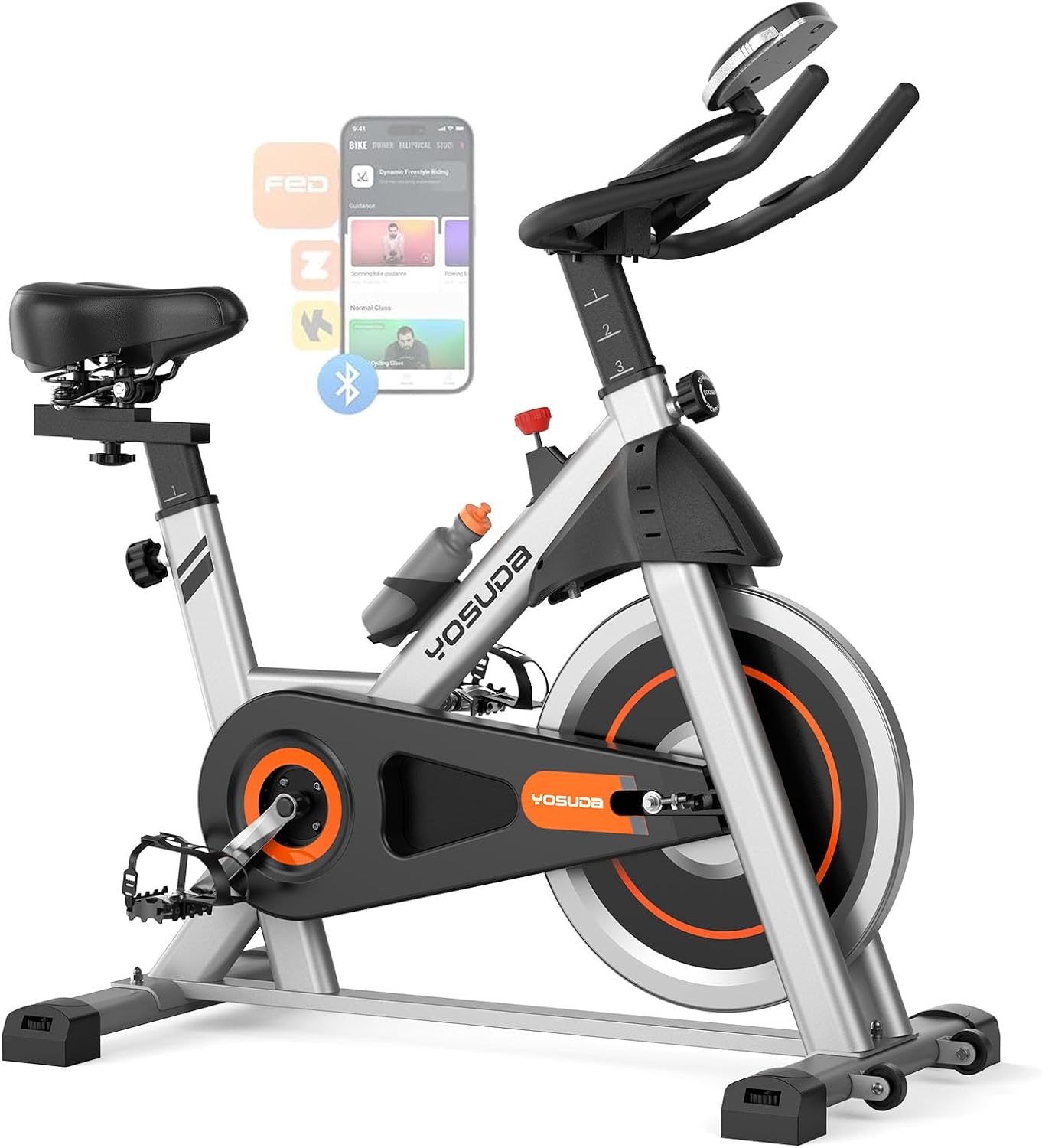
YOSUDA Exercise Bike, Magnetic Friction Stationary Bike with App Training
Best budget spin-style ride, magnetic resistance is genuinely smooth, frame doesn't flex under...
Visit on Amazon →
CURSOR FITNESS Exercise Bike, Stationary Bikes for Home with Brake Pad
Indoor Cycling Low Noise Bike for Home with Exclusive App, Spin Workout Bike with Tablet Mount, 300 lb Weight Capacity
Visit on Amazon →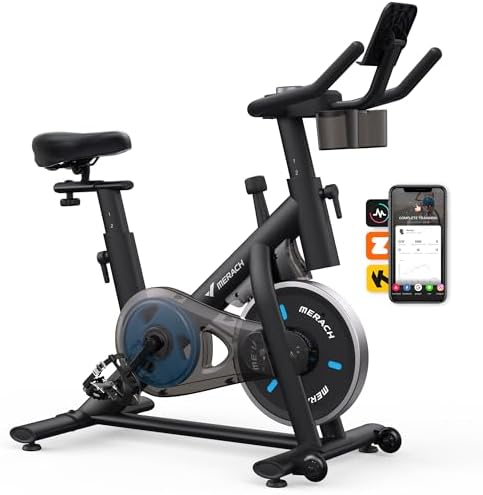
MERACH Exercise Bike, Magnetic Friction Stationary Bike for Home with APP
Quiet belt drive, app connectivity works better than most budget bikes
Visit on Amazon →
Exercise Bike,Stationary Bike for Home,Magnetic Indoor App Cycling Bike
Price is hard to beat, magnetic resistance at this cost is rare
Visit on Amazon →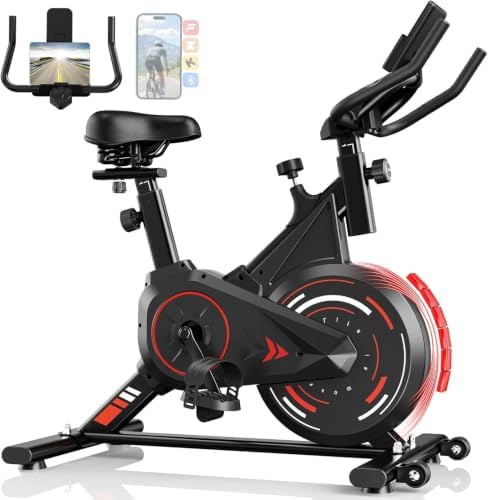
Exercise Bike with APP, Stationary Bike for Home with Ultra‑Silent Flywheel
This high-quality indoor cycling bike is designed for efficient home cardio workouts, perfect for users of most fitness levels. Important Size Reminder: Recommended user height: 4.8ft–6ft 2in (146cm–1
Visit on Amazon →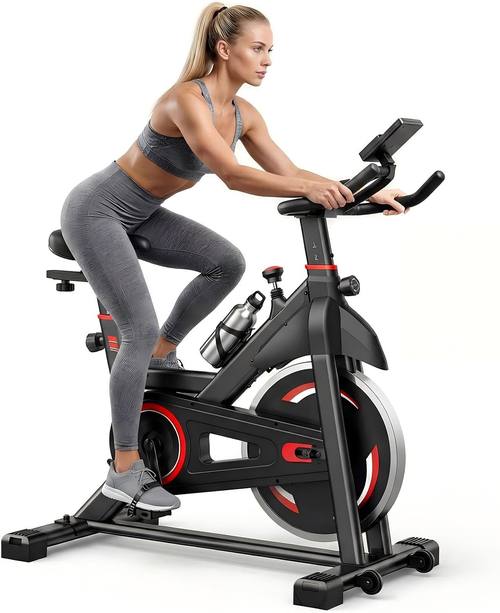
NEWBULIG Exercise Bike with APP, Stationary Bikes for Home, Workout Bike for Adults & Seniors, Cycle Machine, Adjustable Height and Resistance, Low Noise, 265lbs Weight Capacity, Easy Assembly
This high-quality indoor cycling bike is designed for efficient home cardio workouts, perfect for users of most fitness levels. Important Size Reminder: Recommended user height: 4.8ft–6ft 2in (146cm–1
Visit on Amazon →How I Tested
I don't test bikes in a lab. I ride them in my garage with Finn, my 65-pound lab mix, watching from his bed in the corner. I log 50-mile weeks. I do a literal sweat test, riding hard enough to drip and then checking where the bike corrodes first. At month three, I check the bearings. That's where cheap bikes start to sing their sad little song.
I've owned a Marcy that wobbled at 220 pounds. A Sunny that squeaked after 15 rides. A Schwinn IC4 that lasted three years before I sold it for ~$400 on Facebook Marketplace. And a Keiser M3 that I'll probably be buried with. I know what these machines cost per ride, and I know which ones survive contact with actual humans.
The Real Difference, In One Paragraph
A spin bike has a heavy flywheel, typically 30 to 40 pounds, and a direct-drive or belt-drive system that mimics the feel of a road bike. You stand up, you sprint, you dial up resistance until your legs scream.
An exercise bike, especially an upright one, has a lighter flywheel, a more upright seating position, and resistance that feels more like a gentle hill than a sprint interval.
The YOSUDA I own is a spin bike in exercise bike clothing. The CURSOR is closer to a true spin bike. The MERACH sits in between.
The point is, the category names lie. You have to look at the flywheel weight and the drivetrain, not the label.
YOSUDA Exercise Bike
The YOSUDA is the bike I recommend most to people who want a spin-style workout without spending Schwinn money. I've had mine for 8 months and ridden it at least 4 times a week. The magnetic resistance is genuinely smooth, from level 1 to level 8. No grabbing, no gritty feel, no lying dial. The frame is stable when I get out of the saddle, which is the real test. At 280 bucks, that's a miracle.
But the seat is a torture device. I replaced it after 3 rides with a gel cover that cost ~$25, and that should be part of your budget. The pedals are also slippery, so if you're serious, budget for clip-in pedals and shoes. The console is basic, but it tracks time, distance, and calories, which is all I need. The Bluetooth app is optional and I don't use it.
The YOSUDA wins the short list because it does the most things right for the least money. If you're buying your first spin-style bike and you're not sure you'll stick with it, this is the one to get. It's not a Keiser, but it's not pretending to be.
CURSOR FITNESS Exercise Bike
The CURSOR is a budget spin bike that cuts corners in the right places. The flywheel is 22 pounds, which is light but workable. The brake pad resistance is fine, though it's not as buttery as magnetic. You'll notice the difference if you've ridden a higher-end bike, but for ~$230, it's acceptable.
The frame is solid. I didn't feel any flex when I stood up to sprint, and I'm 165 pounds. The pedals are slippery, so plan to replace them or ride with grippy shoes. Assembly took me 35 minutes, which is about average for this price range.
The problem is the seat. It's not just uncomfortable, it's actively hostile. I rode it for 20 minutes and my ass went numb. I replaced it with a proper saddle, and that helped, but you should factor in that ~$60 upgrade.
The CURSOR is a fine bike for someone who wants a spin-style workout on a budget and is willing to spend an extra ~$60 on a seat.
But if you can stretch to the YOSUDA, the magnetic resistance is worth the extra ~$50.
MERACH Exercise Bike
The MERACH is the quietest bike in this budget group, thanks to the belt drive. I could ride it while my kids sleep, and that's a real selling point for apartment dwellers. The magnetic resistance is smooth, and the app connectivity actually works, which is rare in this price range.
I connected my phone and tracked a 30-minute ride without the Bluetooth dropping, which is more than I can say for the Schwinn IC4 I used to own.
The downside is the handlebars. They feel narrow, and if you're a bigger rider, you might feel cramped. The seat is also a torture device, but at this point, I'm starting to think budget bike manufacturers have a bet going to see who can ship the worst seat.
The MERACH is a good choice if quiet is your top priority and you want a bike that feels more like a spin bike than an upright exercise bike.
Just budget for a seat replacement.
Exercise Bike, Stationary Bike for Home, Magnetic Indoor Cycling Bike
This is the cheapest bike in the group, and it shows. The flywheel is light, around 15 pounds, so the ride feels jerky when you get your cadence up. There's no smooth momentum, just a stop-start sensation that feels wrong for spin. It's fine for a beginner who wants to test the waters, but frustrating for anyone who's ridden a proper spin bike.
The magnetic resistance is a plus at this price, but the dial feels imprecise. Level 3 and level 5 don't feel that different. The frame is stable enough for riders up to 220 pounds, but I wouldn't push it beyond that. This bike is for someone who wants to try indoor cycling without spending much money. If you're serious about spin, spend the extra ~$70 and get the YOSUDA.
Exercise Bike, Stationary Indoor Cycling Spin Bike with Bluetooth
The Bluetooth on this bike is the best in the budget group. I paired it with my phone and the cadence tracking was accurate, which is rare. The frame is also stable, with no flex when I got out of the saddle. The magnetic resistance is smooth, and the flywheel is heavy enough to feel like a real spin bike.
The problem is the console. It's janky. The display is hard to read, and the buttons feel cheap. The app also pushes a subscription, which annoys me. I already paid for the bike. I don't want to pay ~$15 a month for content I can get free on YouTube.
The ride itself is solid, but the extras are a distraction. If you want a bike that tracks your cadence accurately and you don't care about the console, this is a good option.
But the YOSUDA gives you a similar ride for less money.
NEWBULIG Exercise Bike with APP
The NEWBULIG surprised me. The app has actual classes, and the resistance dial is consistent, which is more than I can say for some bikes that cost twice as much. The magnetic resistance is smooth, and the frame is solid.
Assembly was a pain, though. The instructions are a photocopy of a photocopy, and I needed a magnifying glass to read them.
It took me 50 minutes, which is longer than any other bike in this group.
The seat is also a torture device, and the included tablet holder is flimsy. I wouldn't trust it with anything heavier than a phone. But the ride itself is impressive for the price. The app is a nice bonus, even if it's not as polished as the Peloton app. If you want a budget bike with classes included, this is worth considering. Just set aside an hour for assembly.
What About the Exercise Bike Side?
I should be clear: I'm a spin instructor, so my bias is toward spin bikes. But I've also ridden exercise bikes, and I understand why people buy them. If you want to pedal while you watch TV, if you want a comfortable upright position, if you want to read a book while you ride, an exercise bike is the right choice.
The YOSUDA and the others in this list are spin-style bikes, which means they're designed for intensity.
If that's not what you want, you should look at a recumbent bike or a more upright exercise bike.
The real question is what you'll actually stick with. I've seen people buy spin bikes and use them as clothes racks because they were too intense. I've seen people buy exercise bikes and use them every day because they were comfortable. Don't buy the bike you think you should ride. Buy the bike you'll actually ride.
My Honest Bottom Line
The YOSUDA is the best budget spin-style bike I've tested, and it's the one I'd buy if I were starting over. The CURSOR is a close second if you're on a tighter budget. The others are fine, but they have flaws that will annoy you over time.
The real difference between a spin bike and an exercise bike isn't the label. It's whether you want to sprint or you want to cruise.
Both are valid. Just be honest about which one you are.