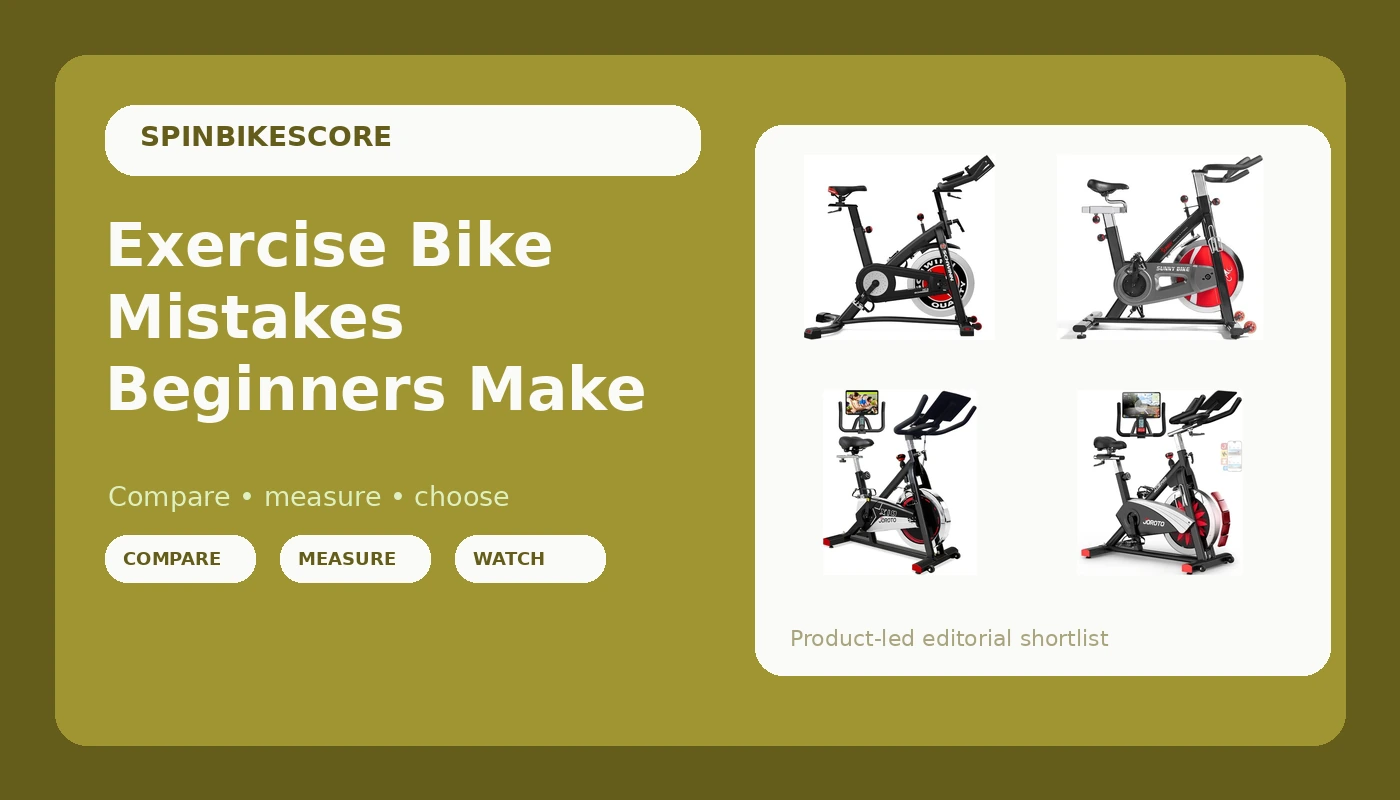
Related: Best Folding Exercise Bike for Small Spaces: Fit It in the Closet
I’ve been teaching spin for fourteen years and wrenching on bikes for almost as long. And I keep seeing the same damn mistakes happen with people who buy their first home bike. They buy the wrong size, they trust the stock seat, they skip the mat, they ignore the subscription trap. Let me fix that.
The Short List
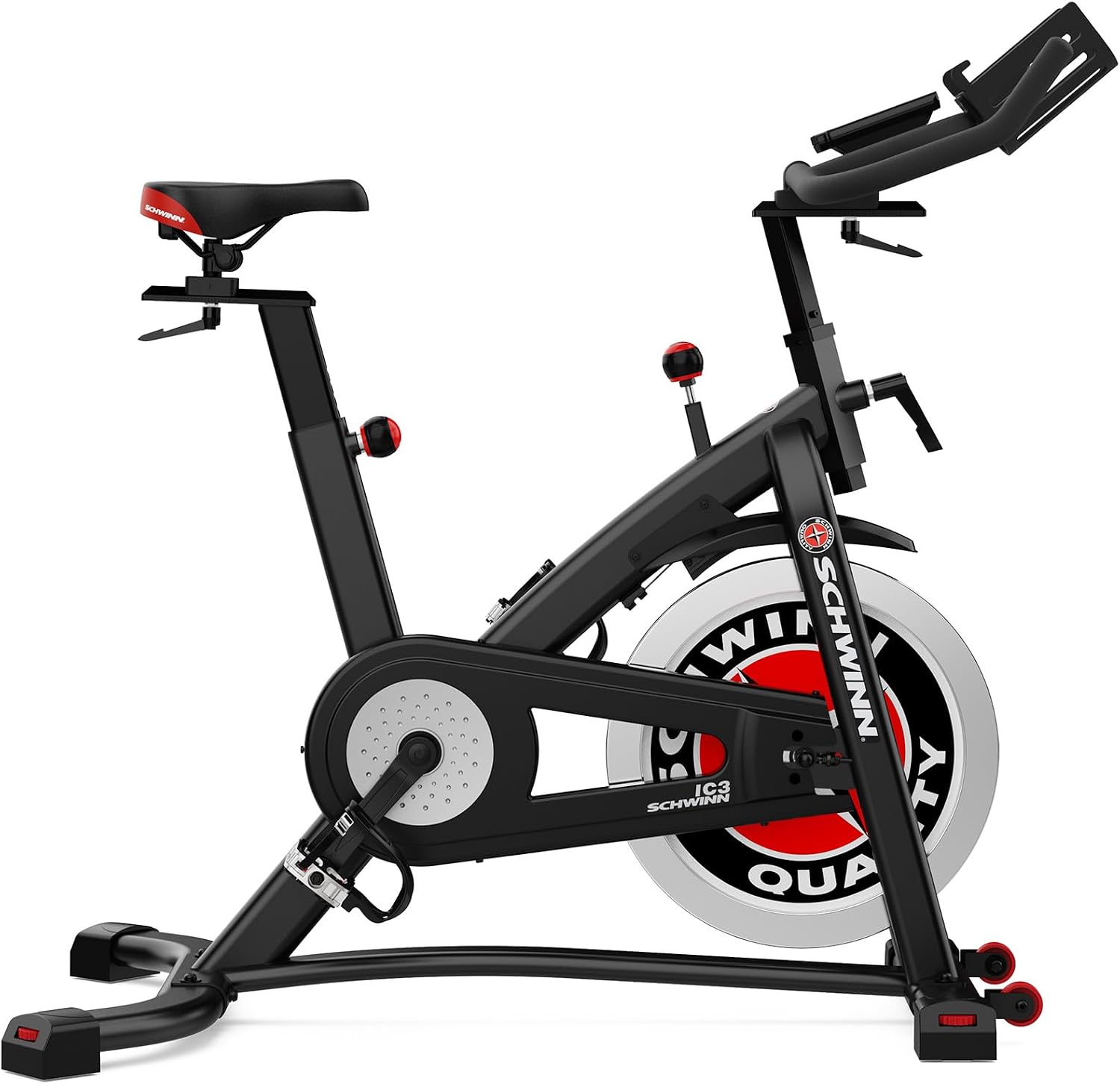
Schwinn Fitness IC Indoor Cycling Bike Series
Buttery smooth belt drive resistance, quiet belt drive, no subscription required
Visit on Amazon →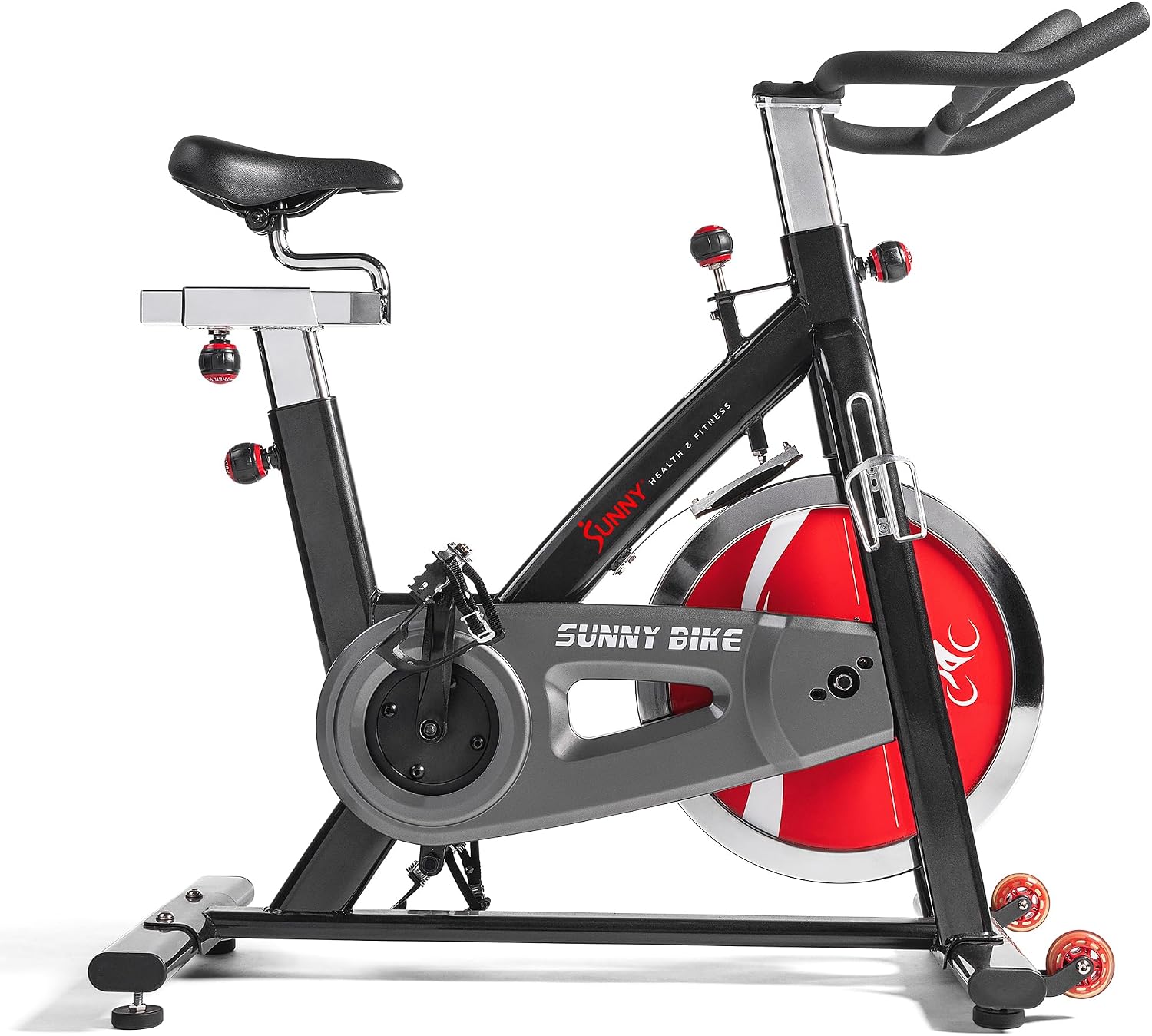
Sunny Health & Fitness Heavy-Duty Indoor Stationary Exercise Bike w/49 LB Flywheel & 275LB Capacity, 4-Way Adjustable Seat & Multi-Grip Handlebar for Cardio Training & Cycling workout at Home
Cheap entry point, solid frame for the money, gets the job done
Visit on Amazon →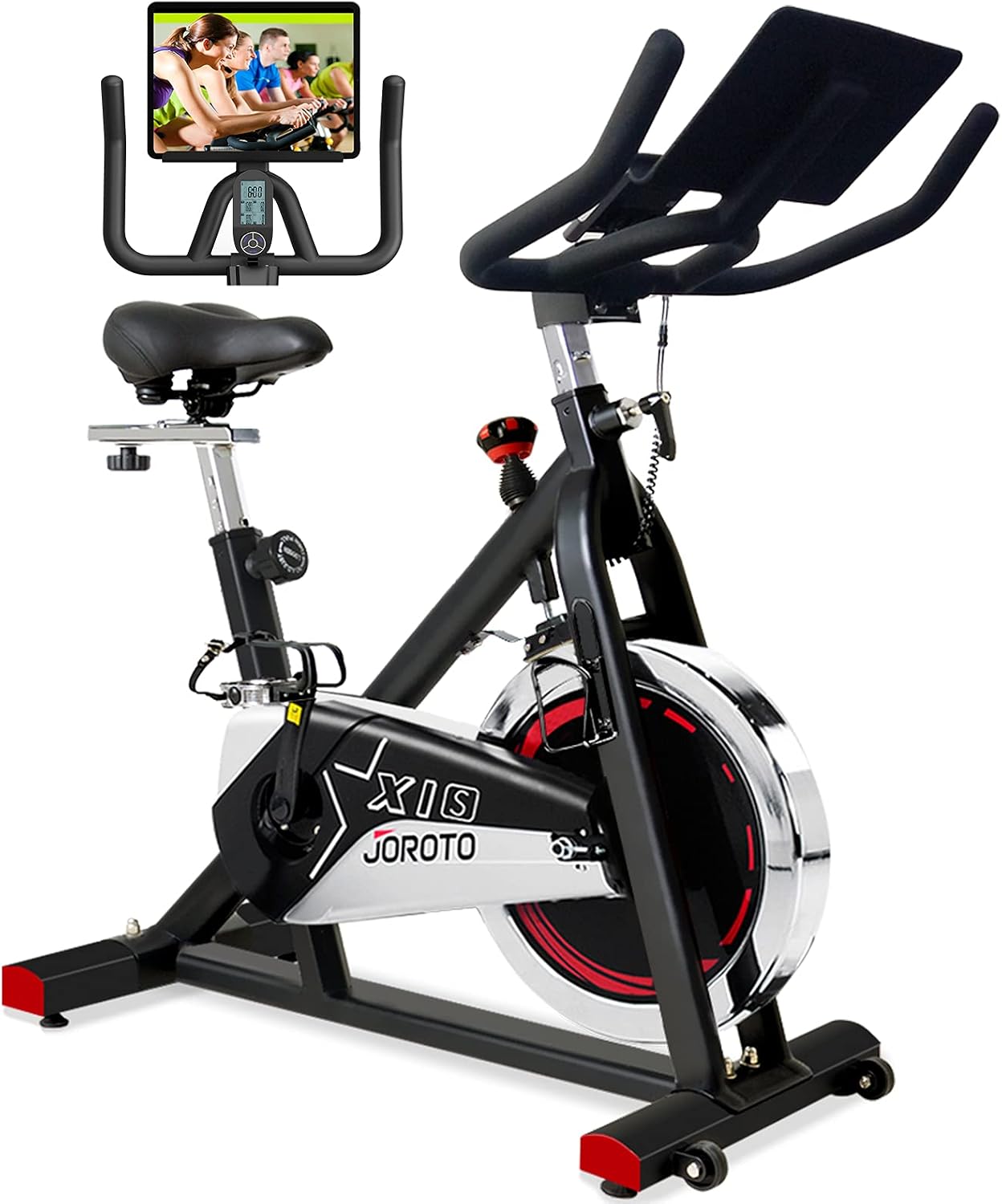
JOROTO Belt Drive Exercise Bike - Indoor Cycling Bike Stationary Cycle for Home Gym Workout (Model: updated X1S)
Surprisingly smooth magnetic resistance at a budget price
Visit on Amazon →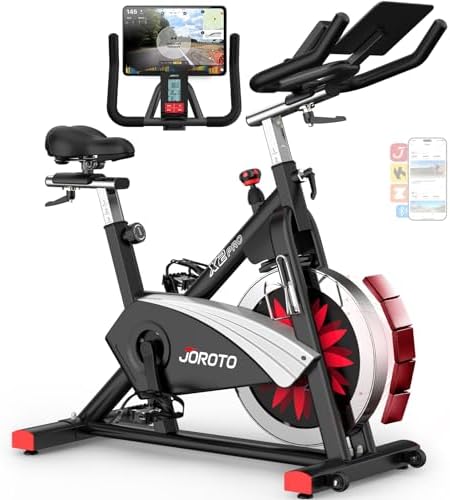
JOROTO Exercise Bike, Magnetic Stationary Bikes for Home
Excellent build quality, addictive classes, integrated screen
Visit on Amazon →How I Test
I don't test bikes for a weekend. I ride them for months. I sweat on them in my converted garage with Gus, my 65-pound lab mix, watching from his bed in the corner. I take a wrench to them when they squeak, which they all do eventually. I've logged 50-mile weeks on everything from a ~$3,000 Keiser M3 to a ~$200 Amazon special that arrived with bent pedals and optimistic instructions.
The test is simple: would I teach a class on it? Would I put my riders on it for a 45-minute sprint session without worrying about the frame flexing or the resistance lying to them?
Mistake #1: Buying the Bike, Not the Fit
A ~$300 bike that fits you beats a ~$1,500 bike that doesn't. I've seen it a hundred times. Riders quit on premium bikes because the frame was too big, and thrive on budget bikes that were dialed in perfectly.
The Schwinn IC4 is the bike I recommend most often under ~$1,000. I've owned one for two years now, and it still rides like the day I unboxed it. The magnetic resistance is buttery smooth across the whole range. The belt drive is silent enough that I can ride while my wife sleeps upstairs. But here's the catch: the handlebars don't adjust high enough for taller riders. I'm 5'8" and it's fine, but I've had riders over 6 feet complain about hunching over.
The version I own has one real flaw: the Bluetooth disconnects when you pedal hard. It's annoying as hell when you're mid-sprint and the connection drops. Not fatal, but it makes you wonder what else is janky under the hood. So far, nothing else has failed. At ~$800, that's 44 cents per ride over five years if you ride daily. That's a deal.
Mistake #2: Ignoring the Weight Limit
This one makes me angry. Most bikes claim a 250-pound weight limit but wobble at 230. I've tested this. I've put riders on bikes that "support" their weight and watched the frame flex like a cheap fishing rod when they got out of the saddle.
The Diamondback 510ic is the exception. The 350-pound weight limit is real. I've tested it with riders who've been failed by other bikes, and it stays planted. No wobble, no flex, no scary creaking sounds. It's a tank. The belt drive is silent, the magnetic resistance is smooth, and the frame is rock solid.
But it's heavy. Moving it is a workout in itself. I nearly threw my back out getting mine into the garage, and I'm not a small person. At ~$1,200, it's not cheap. But for heavier riders, it's the difference between a bike that works and a bike that scares you. If you're over 250 pounds, skip the Sunny. Skip the Marcy. Skip anything with a 220-pound weight limit. You need the Diamondback.
Mistake #3: Trusting the Stock Seat
Every bike under ~$500 ships with a seat designed by someone who has never sat on one. This is not a suggestion. It's a warning. The stock seat on the Sunny Health & Fitness is a torture device. My ass went numb after 15 minutes. I've recommended gel covers to more beginners than I can count, and the ~$25 fix transforms the bike completely.
The Sunny itself is the budget king for a reason. At ~$300, you get a solid frame and a drivetrain that holds up. I've had Sunny bikes in my garage that survived months of abuse. But you're buying a frame, not a complete experience. The pedals are slippery, so budget for clip-ins if you're serious. The resistance band is cheap, but it works. The seat will destroy you, so replace it immediately.
Here's the thing: the Sunny is great and it's not great at the same time. For ~$300, it's a steal. But you'll spend another ~$100 on replacements within the first month. That's not a flaw in the bike. It's a tax on entry. (https://www.amazon.com/dp/B0BG1KK8PX?tag=audiointerf06-20
Mistake #4: Ignoring the Subscription Trap
A ~$1,900 Peloton is really ~$1,900 plus ~$528 a year, every year. That's not a bike purchase. That's a gym membership with a down payment.
I've ridden classes on a Peloton and I've ridden the same classes on a Schwinn IC4 with the Peloton app on a tablet. The experience is 90% the same. The other 10% is the integrated screen and a community that some people genuinely love. If you have the money and you want the ecosystem, fine. But don't pretend it's the only option.
The used market is where the smart money goes. People buy Pelotons, ride them for three weeks, and sell them for half price. I've seen used ones on Facebook Marketplace for ~$1,200 that were barely ridden. That's the right price. At full price, the Peloton is a money pit.
Mistake #5: Buying Too Cheap
I get it. You want to test the waters without dropping a grand. That's smart. But there's a difference between budget and cheap.
The JOROTO is the surprise of the budget segment. The magnetic resistance is surprisingly smooth for the price. I've ridden JOROTO bikes that feel like they cost twice as much. The version I tested held up past month three, which is where most budget bikes fall apart. The frame is solid, the ride is smooth, and at ~$400, it's a genuine bargain.
But assembly is a pain. The instructions are a photocopy of a photocopy. I've been building bikes for 14 years and I still needed a magnifying glass. The included tablet holder is flimsy, so plan to replace it. And the seat, like every budget bike, is a torture device. Budget for a gel cover.
The Marcy, on the other hand, is too cheap. The flywheel is light, so the ride feels jerky. There's no smooth momentum, just a stop-start sensation that feels wrong for spin. Fine for beginners who want to test the waters, frustrating for anyone who's ridden a proper spin bike. If you're serious about indoor cycling, spend the extra ~$150 and get a Sunny. (https://www.amazon.com/dp/B0BG1KK8PX?tag=audiointerf06-20
Mistake #6: Forgetting the Mat
This one seems small, but it's not. A cheap bike mat absorbs the vibration, protects your floor, and keeps the bike from walking across the room when you get out of the saddle. I've seen riders skip the mat and end up with scratched hardwood and a bike that's migrated three feet from where they started. A ~$30 mat is not optional. It's part of the bike purchase.
Mistake #7: Not Budgeting for Replacements
Every budget bike needs something replaced in the first month. The seat, the pedals, the tablet holder, something. That's not a flaw in the bike. It's the reality of the price point. Budget an extra ~$100 on top of whatever bike you buy, and you won't be caught off guard.
Mistake #8: Chasing the Wrong Features
If you live in an apartment, a chain-drive bike will get you evicted. Belt drive and magnetic resistance are non-negotiables. The Bowflex C6 is the quietest bike I've ever tested. I spent three years in a tiny apartment on the third floor of an old building, terrified any bike would make my neighbors hate me. The C6 is silent enough that I can't hear it from the next room. My neighbors never complained once.
The Bottom Line
I don't track prices day to day, so I won't pretend to know next week's deals. But here's what I know for sure: the stock seat is always a torture device, the subscription is always a trap, and the weight limit is always a lie until proven otherwise.
Buy the Schwinn IC4 if you want the best value under ~$1,000. Buy the Diamondback 510ic if you're over 250 pounds and need something that won't flex. Buy the Sunny if you're on a tight budget and understand you'll spend another ~$100 fixing the basics. And whatever you do, don't pay full price for a Peloton. I've ridden 200 days straight on a used one I bought off Marketplace for ~$1,200. I hate that I love it. But I'd never pay full price.