Related: Best Exercise Bike for Small Apartments: Folding and Compact Picks
Fourteen years of teaching spin, more than 5,000 classes, and a garage that currently holds four bikes in various states of assembly. Shopping for an indoor cycling bike for home is mostly an exercise in ignoring marketing. Flywheel weight gets printed in bold. Resistance type gets a whole paragraph. Almost nobody tells you whether the frame stays planted when you stand out of the saddle at sprint resistance, and that one question decides whether a bike is training equipment or a hazard with pedals.
That's the lens I use here. I've ridden everything from commercial bikes that cost more than my first car to Amazon specials that showed up in a box the size of a coffee table, and I've replaced the seat on most of them. This guide covers four bikes across four very different tiers: a commercial-grade indoor cycle I teach on, a mid-range magnetic bike that punches above its tier, the cheapest magnetic bike in the group, and a folding bike built for people with no floor space. Each one gets the same treatment, which is what it's actually for, where it gives ground, and who should skip it.
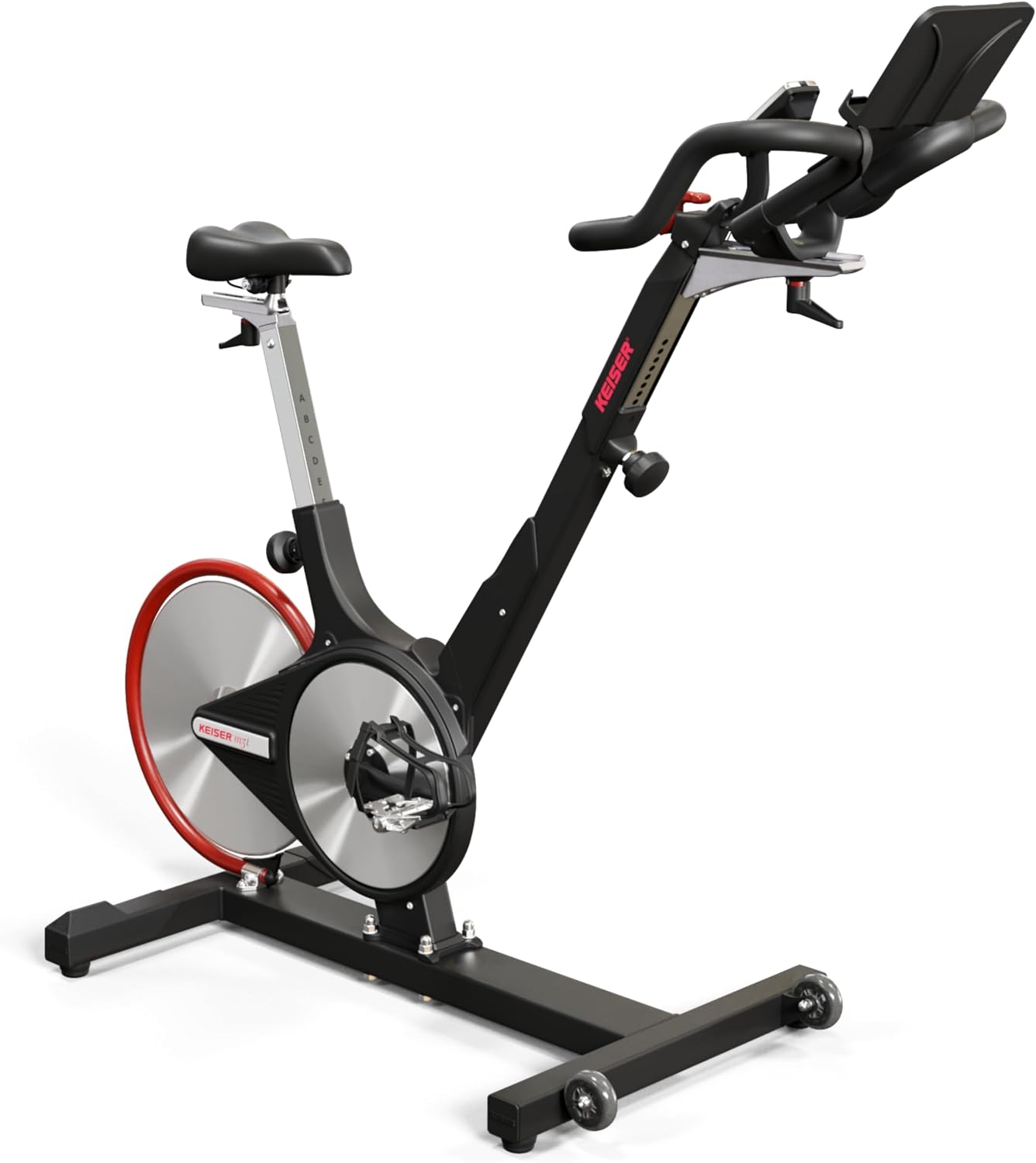
Best Overall: Keiser M3i Indoor Cycle Bundle
The Keiser is the bike I teach on, and it's the bike every other bike in this guide gets compared to. When I'm cueing a class from the floor, I'm not thinking about the equipment at all, which is the highest compliment I can pay a machine. The resistance stays smooth across the entire range, not just the friendly first third, and that matters far more than any number on a spec sheet. Standing climbs at full resistance feel like standing on a floor rather than negotiating with a bike that's flexing under you.
The geometry is true spin geometry. The relationship between the saddle, the bars, and the pedals puts you somewhere you can hold for 45 minutes without your knees filing a complaint, and the adjustment range is wide enough that I can fit a rider who's 5'0" and a rider who's 6'4" on the same frame in back-to-back classes. That range is why studios buy these.
Get the bundle version rather than the bare bike. At this tier you want the machine to arrive ready to ride instead of halfway there, and the bundle is the version I'd put in my own garage.
Who it's for: the rider who has already proven they'll use a bike five days a week and would rather buy once. Who should skip it: anyone still deciding whether they like indoor cycling. This is not a bike for a New Year's resolution. It's a bike for a habit.
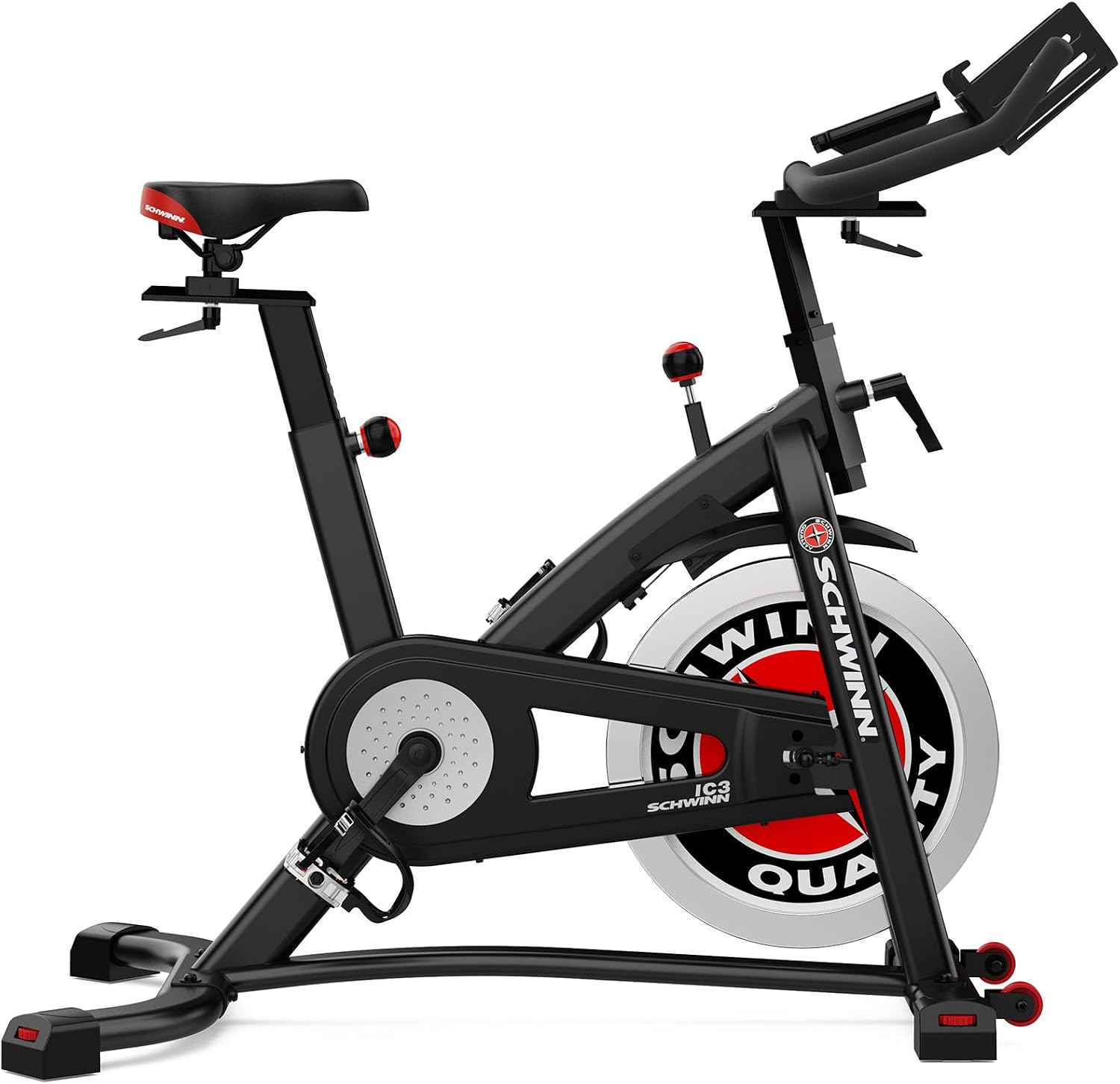
Best Value: Schwinn Fitness IC Indoor Cycling Bike Series
I've said some version of this to a few hundred riders over the years: the Schwinn IC in this series is the best value in the mid-range, and the build quality embarrasses bikes that sell for a lot more. Magnetic resistance means no felt pad to wear out and no friction dust collecting on your baseboards. The frame doesn't flex much when you load it. That combination is exactly what usually costs you real money.
The seat and the pedals are the weak points, and they're weak points you can fix. Budget for a replacement saddle in your first month and you'll be fine. The IC4 variant inside this series is the one most riders end up on, and it's what I recommend to someone who wants the class experience without buying into a whole subscription ecosystem. If you do want classes, a bike that's this solid plus a cheaper app is the smarter math than paying for hardware and a monthly fee at the same time.
Where it gives ground to the Keiser: the resistance curve is good rather than great at the very top of the range, and the frame has a touch more give in a hard standing sprint. For 95 percent of riders that difference never shows up. For the other 5 percent, it's the entire reason the Keiser exists.
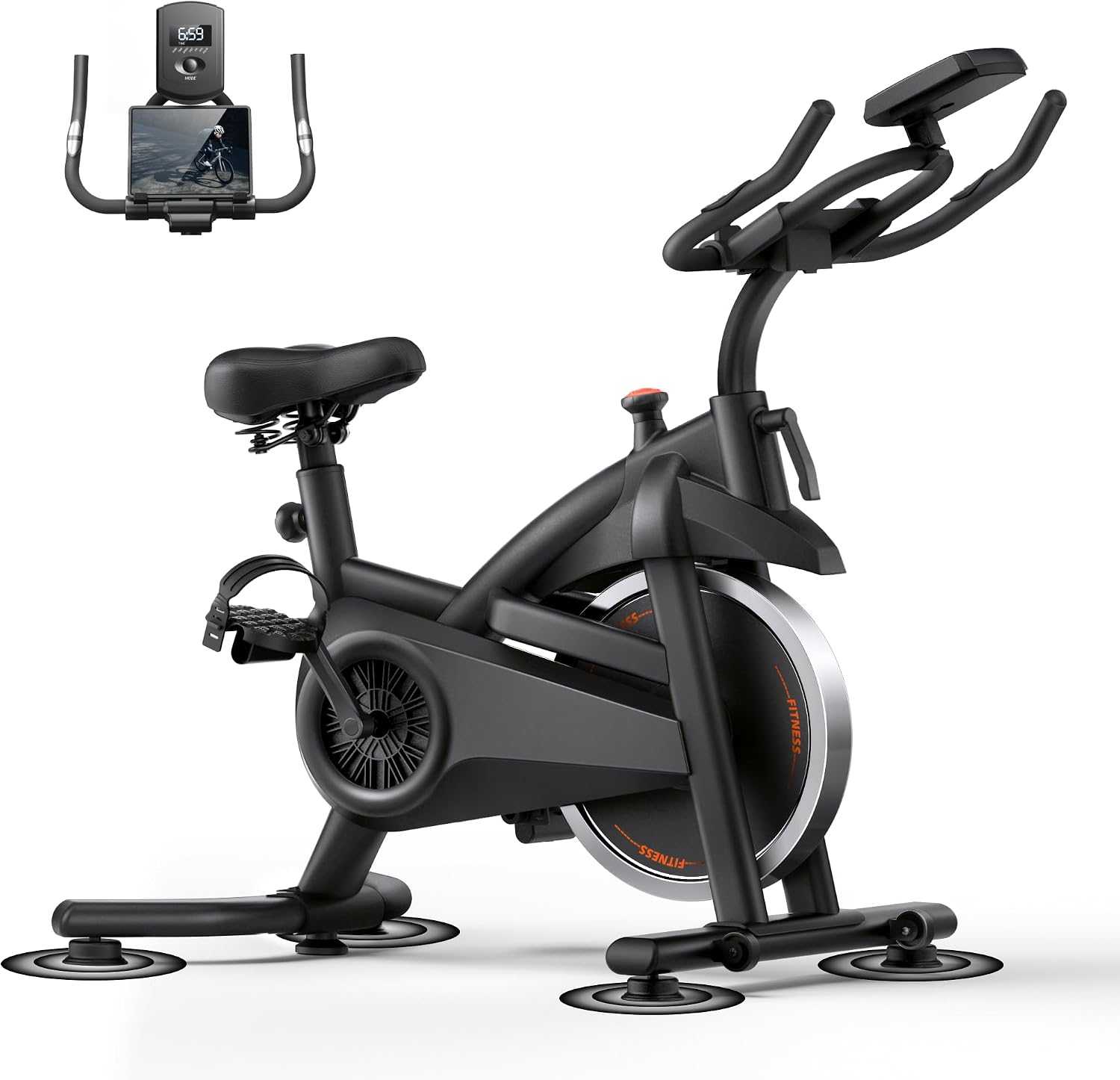
Best Budget Pick: CURSOR Exercise Bike
This is the cheapest bike in this group, and I want to be straight about what that tier means. A magnetic friction bike with app connectivity at this level is a real thing now, and it's a genuine step up from the Amazon specials I rode years ago that announced their frame flex the second you stood up.
What you get is a bike that's quiet, light enough to reposition by yourself, and connected to an app if you want a screen to follow. What you should check the day it arrives is whether the resistance knob engages smoothly through the whole range instead of slipping in the middle, and whether the seat post holds its position when you torque it down. Those two things separate a usable budget bike from a frustrating one, and they're the first failures I look for on any bike at this tier.
Plan on replacing the saddle. I swap the seat on almost every budget bike I ride, and it's the single upgrade that decides whether you're still riding in month three. Take a look at the pedals too. Plastic cages are the first thing to go, and a set of metal pedals with toe clips is a small add-on that changes how the whole bike feels.
Who it's for: the rider who wants to test whether they'll actually use a bike before spending real money, and anyone in an apartment where noise is a neighbor problem. Who should skip it: anyone planning 50-mile weeks. At this tier you're buying a good first bike, not a forever bike.
Best for Small Spaces: XTERRA Fitness Folding Exercise Bike
An honest label first: this is a folding exercise bike, not a spin bike. The riding position is upright, closer to a comfortable hybrid than to the forward-leaning position you hold in a class, and that changes what it's good for. If your goal is standing intervals out of the saddle, this is not the tool. If your goal is 30 minutes of low-impact cardio that folds up and slides behind a door when you're done, it's a genuinely smart purchase.
The 225 lb weight capacity is stated by the maker, and it tells you the frame was designed for a range of riders rather than for a single test dummy. The fold is the entire point. If the alternative is no bike at all because you don't have the floor space, a folding bike you actually use beats a spin bike you trip over every morning.
Keep your expectations realistic about resistance. Folding bikes at this tier often use a simpler mechanism than a magnetic spin bike, so the jump between levels can feel steppy rather than seamless. For steady-state riding that's completely fine. For sprint intervals it isn't.
How I test bikes
Every bike that comes through my garage goes through the same sequence, and it hasn't changed in years. Fifty miles a week for the first month, because a bike that feels great on day one can reveal its real personality by mile 200. Then a sweat test: 45 minutes at max effort, and afterward I look at what the sweat did to the frame, the paint, and the resistance knob. Cheap paint fails this test. Then a stability test, standing in the saddle at full resistance, which is where budget frames announce themselves.
At month three comes the bearing check, when the bottom bracket and the flywheel bearings either stay smooth or start grinding. I keep a wrench set by the door because every bike in this garage has needed it, and the ones that need it twice are the ones I stop recommending.
I also check the things nobody advertises. The width between the pedals, because a wide Q-factor makes your knees complain after 20 minutes. And the real saddle adjustment range, because a bike that can't fit a shorter rider and a taller rider isn't a bike for a household.
What the four bikes actually tell you
Flywheel weight is marketing until you're standing on the pedals. Then it's physics. A heavier flywheel smooths your pedal stroke, but it also makes the bike harder to stop, which is why the resistance mechanism matters as much as the wheel. Magnetic resistance is smoother than felt pads and it doesn't wear out, which is why it shows up on every bike I recommend. Felt pads are fine if the bike is built right, but they're a consumable, and on a daily rider you'll be replacing them.
Stability is not a luxury feature. A bike that wobbles at sprint resistance is a safety hazard, not an inconvenience. I've watched riders nearly pull a bike over because the frame gave at the wrong moment. The Keiser never does that. The Schwinn comes close. The budget tier is where you feel the difference, and it usually shows up as a slight side-to-side rock the moment you stand and push.
Seats are where budget bikes hide their costs. On most budget bikes the saddle is the first thing to replace, and you should factor that into what you're really spending. Same with pedals, a bottle cage, a device holder, and a mat so the bike doesn't walk across your floor. A bike you don't want to sit on is a bike you won't ride, and comfort beats specs every single time.
The comparison table
Here's how the four stack up. I've kept the columns to the things that actually change your ride: what kind of machine it is, what position you sit in, and who it's for. Use the links to check current pricing, because it moves.
| Bike | Type | Riding position | Best for | Price |
|---|---|---|---|---|
 Visit on Amazon → Keiser M3i Indoor Cycle Bundle |
Magnetic indoor cycle | True spin geometry | Daily riders who want to buy once | Visit on Amazon → |
 Visit on Amazon → Schwinn Fitness IC Indoor Cycling Bike Series |
Magnetic indoor cycle | Spin geometry | Best value in the mid-range | $699.00 |
 Visit on Amazon → CURSOR Exercise Bike, Magnetic Friction Stationary Bikes for Home with APP |
Magnetic friction exercise bike | Upright | First bike, apartments, quiet riding | $99.99 |
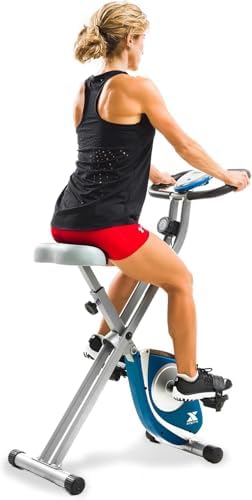 Visit on Amazon → XTERRA Fitness Folding Exercise Bike, 225 LB Weight Capacity |
Folding exercise bike | Upright | Small spaces, low-impact cardio | $179.80 |
Should you buy the Keiser M3i Indoor Cycle Bundle?
Yes, if you've already proven you'll ride five days a week and you want to stop thinking about equipment. The resistance is smooth across the entire range, the frame holds still under a standing sprint at full resistance, and the fit range covers almost any rider in a household. It's the bike I'd buy with my own money if I were buying once.
If you're still deciding whether you even like indoor cycling, this is the wrong place to start. Buy the Schwinn, put the savings into a few years of classes, and upgrade later if you outgrow it.
Should you buy the Schwinn Fitness IC Indoor Cycling Bike Series?
Yes. For most people this is the answer. Magnetic resistance means nothing to replace and nothing to clean up, the frame is stable enough for real intervals, and the price-to-build ratio is the best in this guide.
Just plan on a new saddle and a pedal upgrade, and know that the very top of the resistance range isn't quite as refined as the Keiser's. Neither of those things will slow you down.
Should you buy the CURSOR Exercise Bike?
Yes, with a caveat. It's the right bike if you want to find out whether you'll actually use a bike, or if you're riding in an apartment where noise matters. Magnetic friction resistance and app connectivity at this tier is genuinely useful.
The caveat is the seat. Replace it, check the resistance knob for slipping, and keep your weekly mileage realistic. This is a good first bike, not a bike for 50-mile weeks.
Should you buy the XTERRA Fitness Folding Exercise Bike?
Yes, if floor space is the thing standing between you and riding at all. The fold is real, the 225 lb stated capacity covers a wide range of riders, and low-impact steady-state cardio is a legitimate goal.
No, if you want to stand and sprint. The upright position and the simpler resistance mechanism aren't built for that, and forcing it will just leave you frustrated with a bike that's good at what it actually does.