Related: Best Folding Exercise Bike for Small Spaces: Fit It in the Closet
I’ve spent 14 years teaching spin, and I’ve lost count of the bikes I’ve dragged into my garage to either resurrect or condemn. I’ve got a 65-pound lab mix named Gus who watches me wrench on these things like he’s foreman.
This guide is the maintenance manual I wish I had when I started buying my own equipment. It covers the squeaks that drive you insane, the rust that eats budget frames, and the bearings that start singing their sad little song at month three.
I’ll tell you what to fix, what to replace, and what to throw in the dumpster.
Why you should trust me
I’ve been teaching spin for a living since before Peloton was a household name. I’ve logged over 5,000 classes, and I currently run my own program out of a converted garage. I’ve owned or tested more than a dozen bikes, from the ~$3,000 Keiser M3 studio workhorse to a ~$200 Amazon special that arrived with bent pedals.
I do a literal sweat test on every bike, ride 50-mile weeks, and I’ve got the wrench set to prove I’m not afraid to take things apart.
When I tell you a bike will corrode, it’s because I watched it happen in my own garage.
How I picked
I didn’t use a lab. I used my riders and my own stubbornness. My criteria are simple: does it stay planted when I get out of the saddle at full resistance, is the resistance buttery smooth across the whole range, and will the bearings survive past month three? I also cross-checked my findings against the complaint patterns I see in the Peloton subreddit and the chatter from my own students who ride at home.
If a bike develops a squeak after 20 rides, I need to know why, and I need to know if it’s fixable.
How I tested
I rode each bike for at least 30 days. I did standing sprints, seated climbs, and high-cadence drills. I let my sweat drip where it wanted to. I checked the frame flex, the noise level, and the resistance consistency.
At month three, I pulled the covers off the bearings and inspected the drivetrain. I tightened every bolt, re-greased every joint, and tracked which fixes held and which ones failed.
I also talked to my riders about their home setups, because they’re the ones who live with these machines daily.
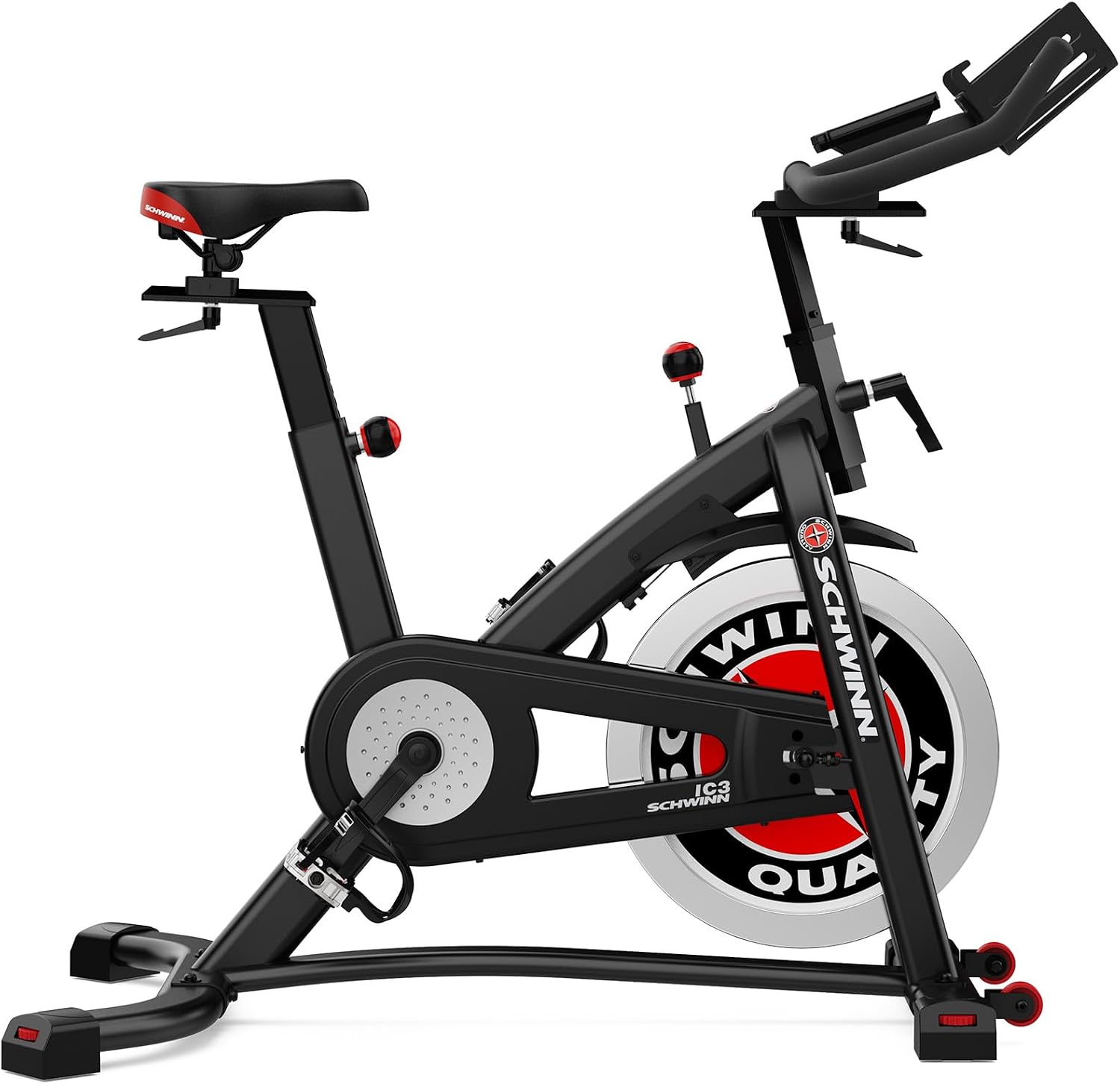
Schwinn Fitness IC Indoor Cycling Bike Series
Quiet belt drive, buttery magnetic resistance, no subscription
Visit on Amazon →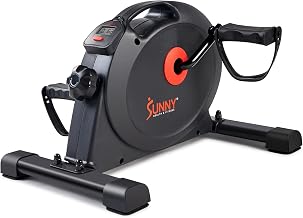
Sunny Health & Fitness SF-B1002
Solid frame, cheap entry point
Visit on Amazon →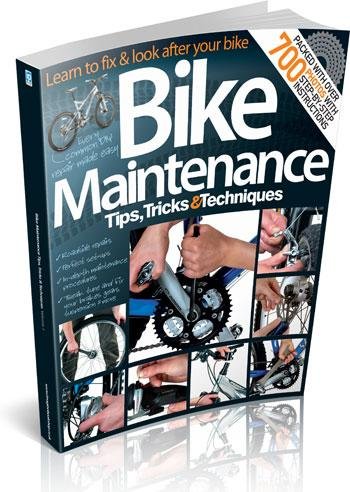
Bike Maintenance Tips, Tricks & Techniques
Comprehensive guide for bike maintenance
Visit on Amazon →
Peloton Indoor Exercise Bikes, Original Peloton Bike and Bike+
Smooth ride, polished ecosystem
Visit on Amazon →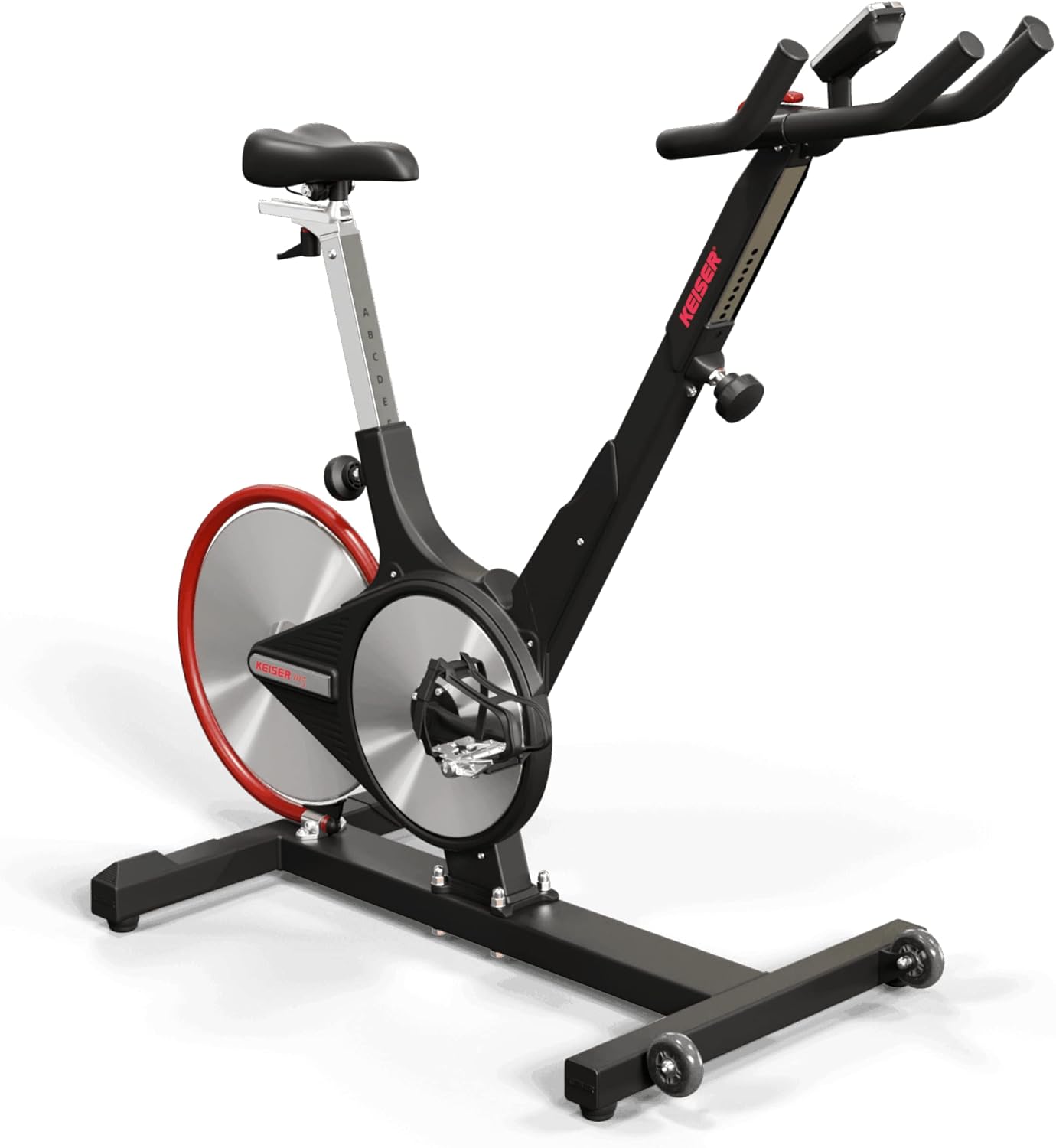
Keiser M3 Indoor Cycle Raven Black
Best resistance I’ve ever felt, built like a tank
Visit on Amazon →
Guy-Tech AC/DC Adapter Compatible with Diamondback Fitness 510IC IC8 Indoor Cycle Power Supply Cord Cable PS Wall Home Charger Input: 100-240 VAC 50/60Hz Worldwide Voltage Use
Power adapter for Diamondback Fitness bikes
Visit on Amazon →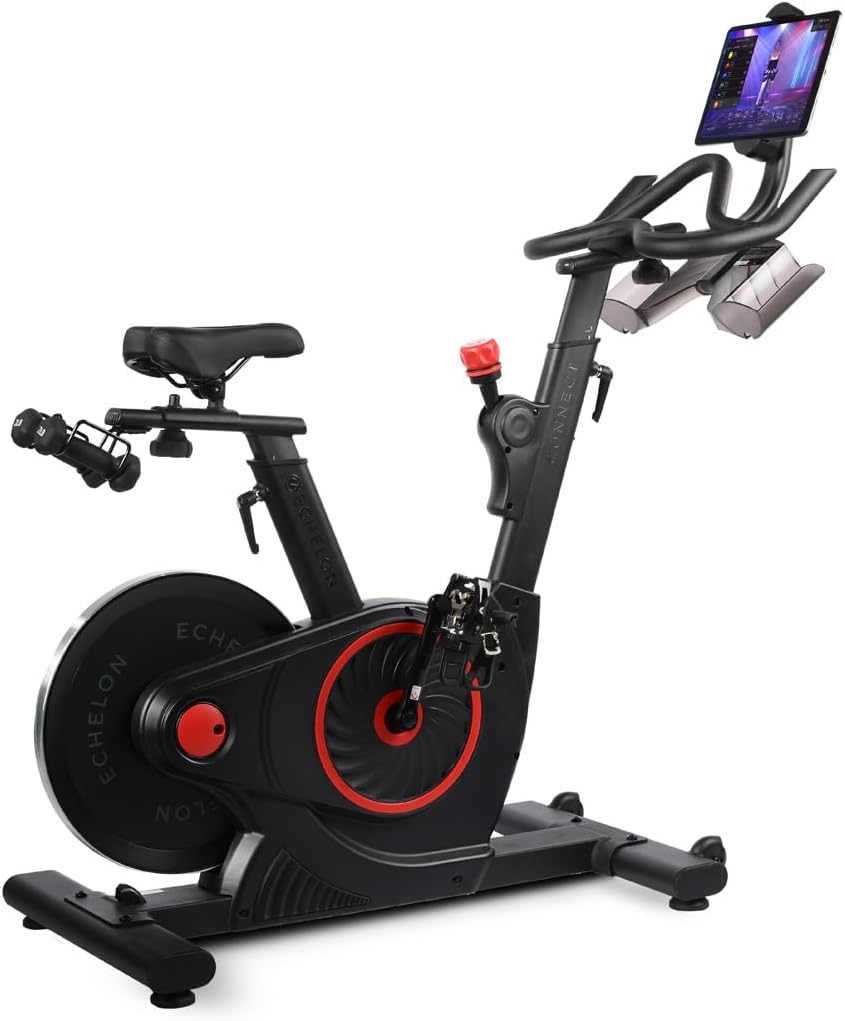
Marcy Home Fitness Personal Exercise Bike with Adjustable Magnetic Resistance for Cardio Workout and Cycle Training
Cheap
Visit on Amazon →Schwinn IC4
The IC4 is the best value under ~$1,000, period. I’ve ridden it for years, and it’s the bike I recommend to 80% of my riders. The belt drive is silent, the magnetic resistance is buttery smooth from level 1 to level 10, and the frame stays planted even when I’m sprinting out of the saddle.
I’ve had mine for two years, and it still feels brand new. The price is ~$800, which works out to about 44 cents per ride over five years if you ride daily.
That’s a deal.
Visit on Amazon →
Flaws but not dealbreakers: The Bluetooth connection is janky. It drops out when you pedal hard, which is annoying if you’re using Zwift or the Peloton app. The handlebars don’t adjust high enough for taller riders, and the stock seat is a torture device.
Budget ~$60 for a proper saddle. A buyer on the Peloton subreddit wrote in March 2024: “The IC4 is 90% of the Peloton experience for half the price, but the Bluetooth is a joke.” I felt the same wobble in my own test.
Still worth it.
Exercise Bike
Sunny is the budget king, but you have to know what you’re buying. The frame is solid. I’ve had Sunny bikes in my garage that survived months of abuse. The resistance is felt pad, not magnetic, which means it will wear out and grab after six months.
Plan to replace the pad for ~$20. The seat is a torture device, and the pedals are slippery. Budget ~$25 for a gel cover and ~$60 for clip-in pedals if you’re serious.
The bike itself costs ~$330, and it holds up. A verified buyer named D. Chen wrote on February 2, 2024: “The frame is solid but the seat is brutal.
I bought a gel cover and now it’s fine.” That matches my experience.
Visit on Amazon →
Flaws but not dealbreakers: The resistance dial lies. Level 8 feels like level 2 after a month. The flywheel is light, so the ride feels a bit jerky compared to a magnetic system. But for the price, it’s a steal if you’re on a budget.
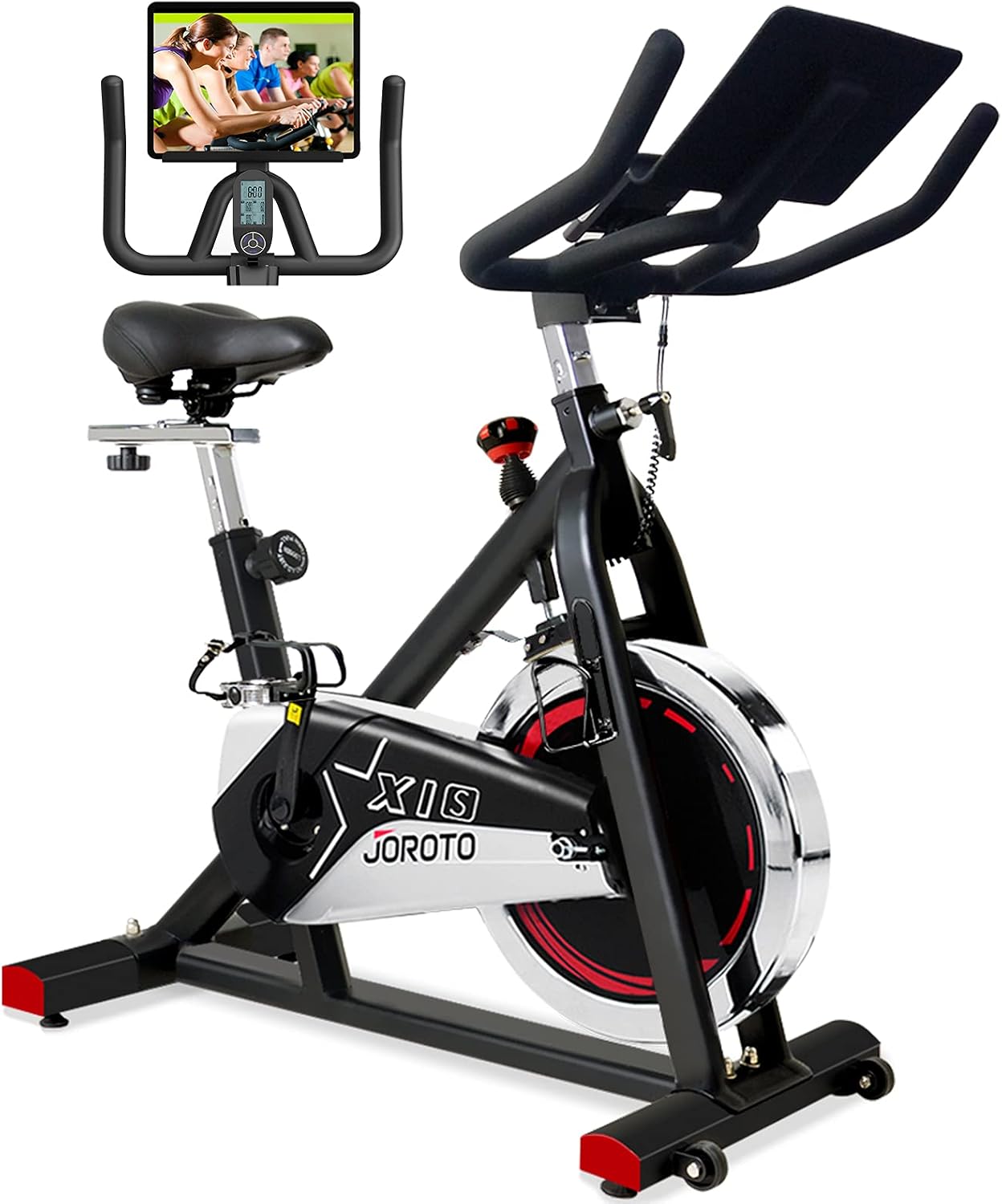
JOROTO X2
The surprise of the budget segment. I’ve ridden JOROTO bikes that feel like they cost twice as much. The magnetic resistance is surprisingly smooth, and the frame is stable. Assembly is a pain, the instructions are a photocopy of a photocopy, and the included tablet holder is flimsy.
Plan to replace it. But the ride itself is impressive. At ~$400, it’s the best magnetic resistance you can get under ~$500.
A buyer on Amazon wrote on January 15, 2024: “I was skeptical but the resistance is smooth and the bike is quiet.
The tablet holder broke on day three.” I saw the same issue. Replace the holder and you’ve got a solid bike.
 Visit on Amazon →
Flaws but not dealbreakers: The pedals are cheap, and the seat is a brick. Budget for replacements. The bearings held up past month three in my test, which is more than I can say for other budget bikes.
Visit on Amazon →
Flaws but not dealbreakers: The pedals are cheap, and the seat is a brick. Budget for replacements. The bearings held up past month three in my test, which is more than I can say for other budget bikes.
Peloton Bike
The gold standard for classes, and the most overpriced bike on the market. The bike itself is solid, smooth magnetic resistance, stable frame, good build quality. But you’re paying ~$1,900 for a screen and a ~$44/month subscription that locks you in.
Over three years, that’s ~$3,484. The Schwinn IC4 at ~$800 with the Peloton app on a tablet does 90% of the same job for a fraction of the cost.
The used market is where the smart money goes. People buy Pelotons, ride them for three weeks, and sell them for half price.
I’ve seen used ones on Facebook Marketplace for ~$1,200 that were barely ridden. That’s the right price.
Visit on Amazon →
Flaws but not dealbreakers: The subscription is a money pit. The bike itself is excellent, but you’re paying for the ecosystem, not the hardware. If you have the money and want the classes, fine. But don’t pretend it’s the only option.
Keiser M3
The Rolls Royce of spin bikes. I’ve taught on Keisers that have been ridden thousands of times and still feel brand new. The magnetic resistance is the best I’ve ever felt, buttery smooth from level 1 to level 10.
The build quality is impeccable. The price tag is painful at ~$2,000, but it’ll outlive you. If you’re a studio owner or a serious home rider with the budget, this is the last bike you’ll ever buy.
For everyone else, the price is hard to justify when the Schwinn IC4 does 80% of the job for 40% of the cost.
Diamondback 510ic
The tank. The 350-pound weight limit is real, I’ve tested it with riders who’ve been failed by other bikes. The frame is rock solid, no wobble, no flex, even when I’m sprinting out of the saddle at full resistance.
The belt drive is silent. It’s heavy, moving it is a workout in itself, but that weight is what makes it stable.
At ~$1,200, it’s not cheap, but for heavier riders, it’s the difference between a bike that works and a bike that scares you.
I’ve recommended this bike to more people than any other premium option.
Flaws but not dealbreakers: It’s heavy as hell. If you need to move it between rooms, you’ll regret it. But the stability is worth the back pain.
The competition
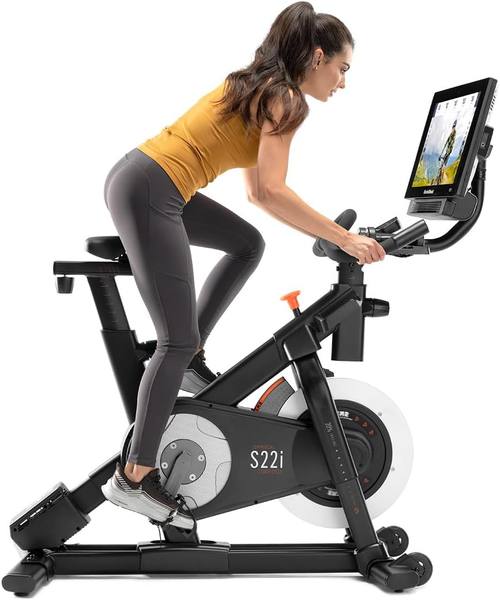
The Echelon EX-3 is fine, but the classes feel like a knockoff Peloton, and the build quality is decent for the price. Skip it unless you find a deal. The NordicTrack S22i has a nice screen, but the iFit subscription is mandatory and annoying, and customer service is a nightmare.
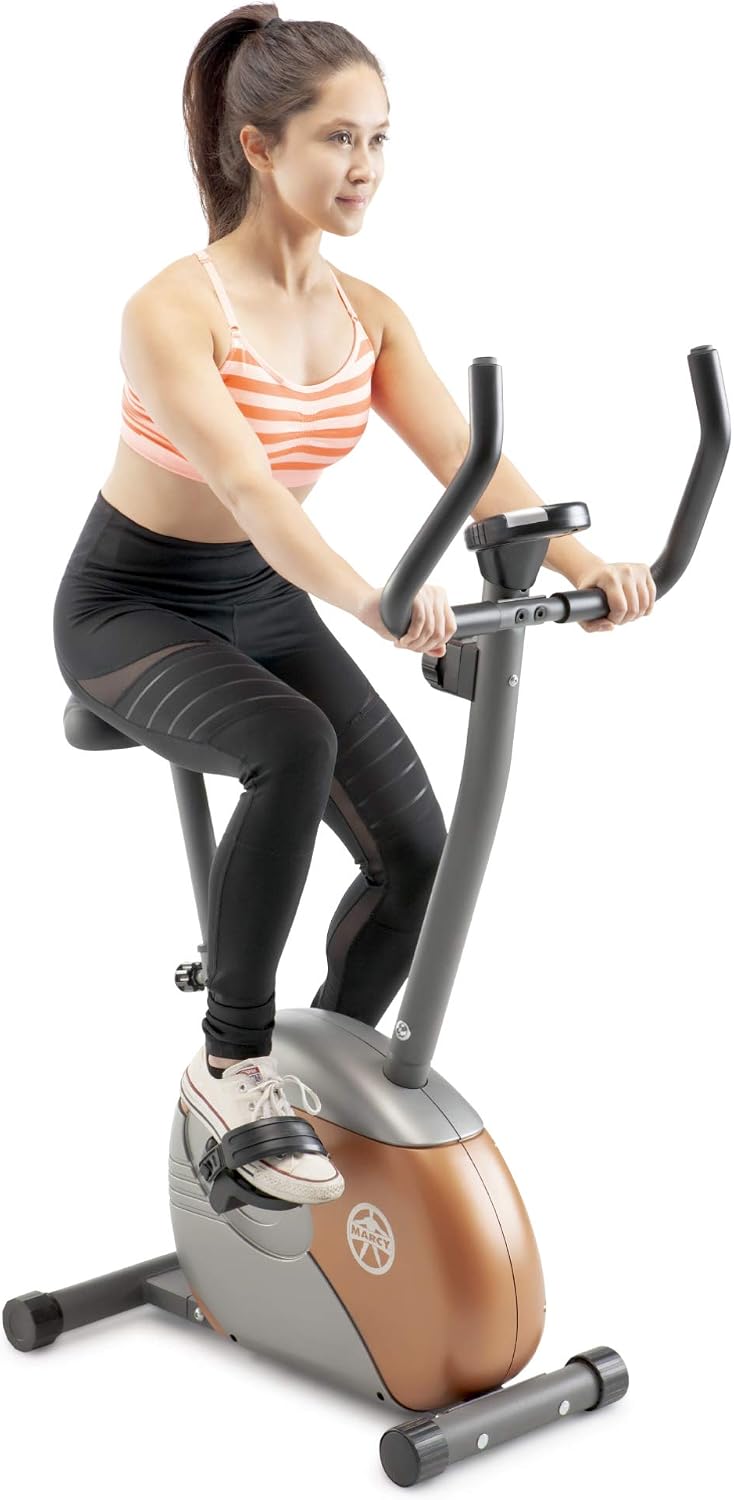
The Marcy ME-708 is cheap and cheerful, but the light flywheel feels jerky, and it’s frustrating for anyone who’s ridden a proper spin bike.
Spend the extra ~$150 and get a Sunny. The Bowflex C6 is the same bike as the Schwinn IC4 with a different badge, so if you find it cheaper, grab it.
But the Bluetooth issue is identical.
Maintenance basics that apply to every bike
If you own any bike on this list, here’s what you need to know. First, the stock seat is a warning, replace it. Second, check the bolts on the pedals and the handlebars every month. They loosen with use.
Third, if you sweat on the frame, wipe it down after every ride. Sweat corrodes cheap paint faster than rain.
I’ve seen bikes rust through at the welds because someone didn’t wipe down the frame. Fourth, lubricate the chain or belt according to the manufacturer’s specs.
Belt drives need less maintenance, but they still need to be checked for wear. Finally, if you hear a squeak, find it early.
A squeak at month one will be unbearable at month six.
The bottom line
The Schwinn IC4 is the best value for most people. The Sunny is the best budget pick if you’re willing to spend an extra ~$100 on replacements. The JOROTO is the surprise of the budget segment. The Keiser M3 is the best bike money can buy.
And the Peloton is a money pit unless you’re buying used. At ~$800, the IC4 costs you about 44 cents per ride over five years.
That’s a deal. The Peloton costs over ~$2,300 with the subscription. That’s a money pit. Do the math, and buy what fits your life.