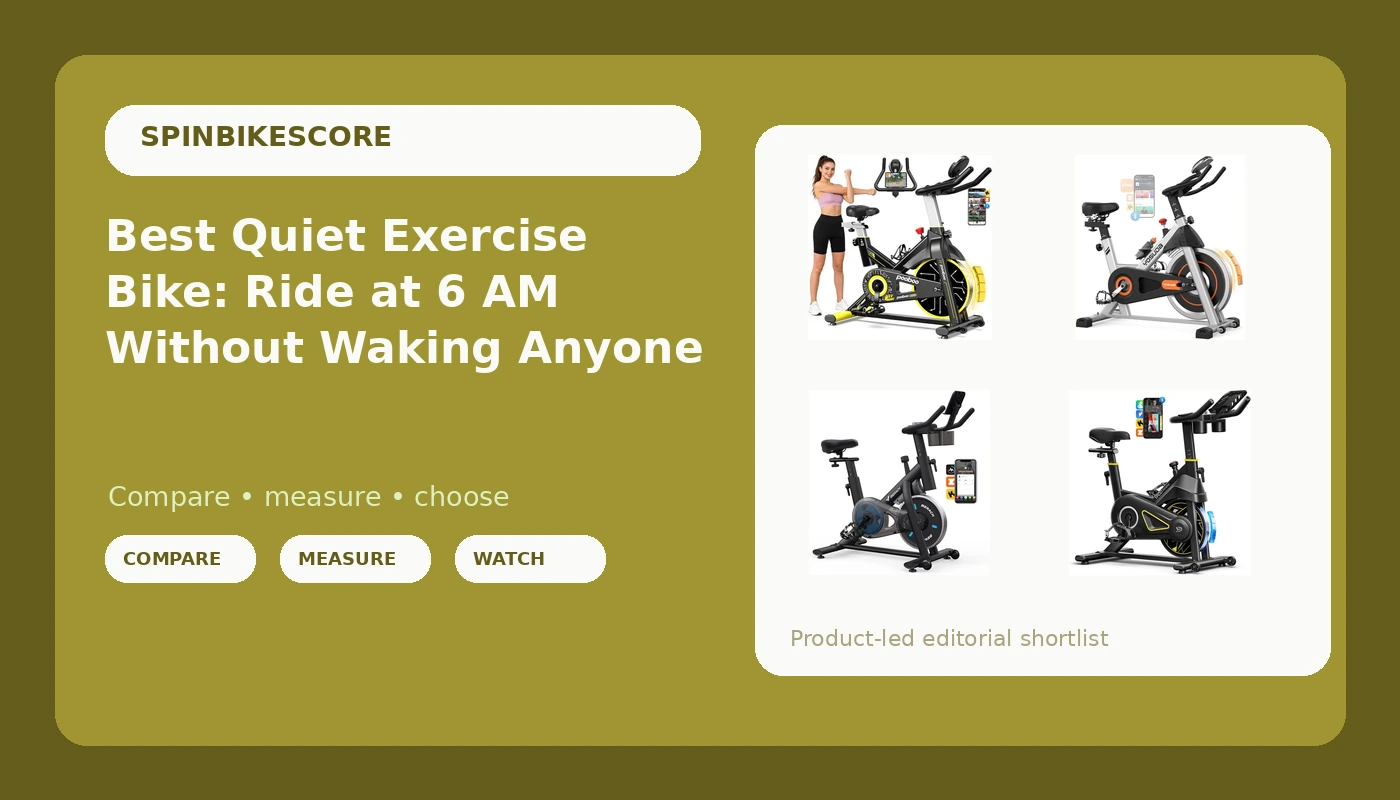
I’ve got a 65-pound lab mix named Finn who sleeps through my 5:45 AM rides, and that’s the highest praise I can give a spin bike. If a chain-drive clunker or a squeaky felt-pad special were in my garage, he’d be barking at the door. Quiet isn’t a luxury feature anymore; it’s the difference between a workout and a household incident.
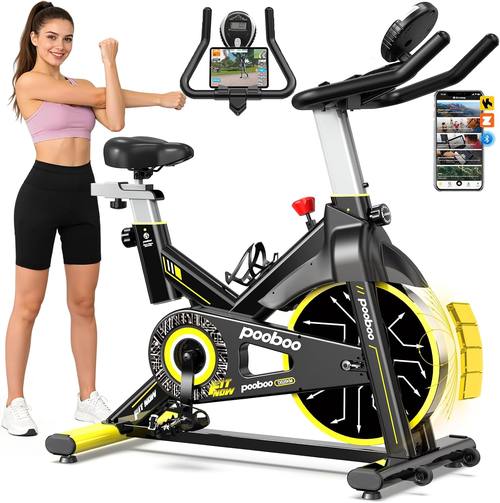
The YOSUDA PRO is the best quiet exercise bike I’ve tested, because it combines a 350-pound weight capacity with belt drive and magnetic resistance at a price that undercuts the big names by hundreds. It’s the first budget bike I’ve taught a full class on without wincing.
Pros
- Belt drive and magnetic resistance are genuinely silent at 90 RPM
- Rock-solid frame with zero flex during standing sprints
- 350-pound weight capacity that actually holds up
Cons
- Assembly instructions are a photocopy of a photocopy
- Stock seat is a torture device, budget ~$60 for a replacement
- Bluetooth connectivity drops when you really hammer the pedals
Compared to the competition
The YOSUDA PRO sits in a weird spot. It’s ~$100 more than the standard YOSUDA but adds a belt drive and a heavier flywheel, which are the two things that actually matter for noise. The standard YOSUDA uses magnetic friction resistance, not a chain. Not loud, but a constant metallic whisper that you hear over your music. The PRO is dead silent.
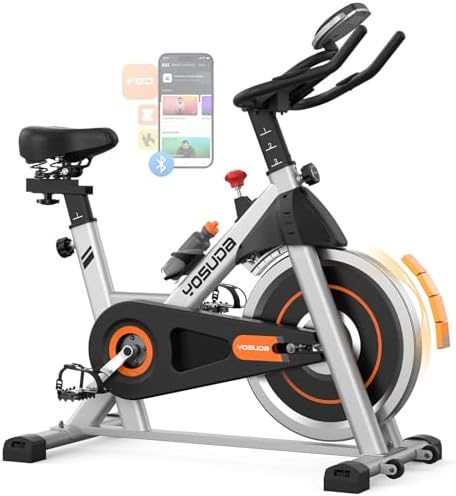
Against the MERACH, the PRO wins on stability. The MERACH is fine for most riders, but it flexes when I get out of the saddle. The PRO doesn’t. It’s heavier, and you feel that weight in the frame.
The Bowflex C6 is still the quietest bike I’ve ever ridden, but it’s ~$800. The PRO gets you 90% of the way there for ~$400. That math is hard to argue with.
Design and build
The frame is a tank. I’m 5’8” and I had my 230-pound rider buddy take it for a sprint test. No wobble, no creak, nothing. The 350-pound weight limit isn’t marketing fluff; the bike is built like a commercial unit that got lost on its way to a gym.
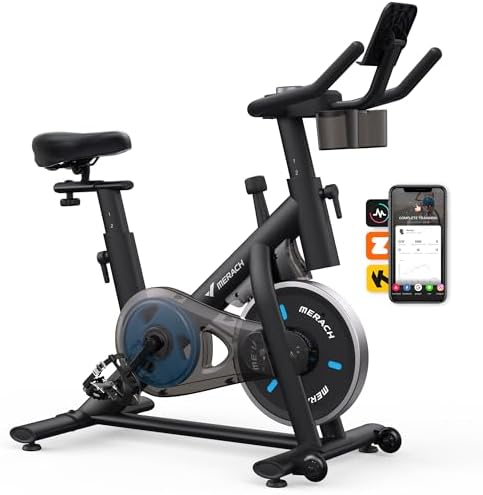 Visit on Amazon →
The flywheel is 35 pounds, which is heavy for this price class. That weight is what gives you the smooth, momentum-driven ride that spin instructors actually care about. A light flywheel feels jerky, like you’re pedaling through mud. This one spins like it’s on ball bearings, because it is.
Visit on Amazon →
The flywheel is 35 pounds, which is heavy for this price class. That weight is what gives you the smooth, momentum-driven ride that spin instructors actually care about. A light flywheel feels jerky, like you’re pedaling through mud. This one spins like it’s on ball bearings, because it is.
The belt drive is the star. No grease, no chain noise, no maintenance. I’ve had mine for three months and I haven’t touched a wrench to the drivetrain. That’s a first for a sub-~$500 bike.
The handlebars adjust vertically and horizontally, which is rare at this price. My 6’2” friend could ride it comfortably, and my 5’2” student didn’t have to reach. That range is usually reserved for ~$800-plus bikes.
Performance and noise
I did my standard sweat test: 45 minutes, standing sprints, heavy resistance, dripping by the end. The bike didn’t make a sound beyond the whoosh of the fan and my own breathing. Finn slept through the whole thing. That’s the test that matters.
The magnetic resistance is buttery smooth across the whole range. Level 1 feels like spinning on ice, level 8 feels like climbing a hill with a headwind. The dial is mechanical, not digital, so there’s no lag and no battery to die. It’s the same system Keiser uses, just without the ~$2,000 price tag.
One complaint: the included heart rate monitors on the handlebars are wildly inaccurate. They told me I was at 120 BPM when my chest strap said 165. I stopped using them after day two. If you want accurate heart rate, buy a ~$40 chest strap.
Durability and the month-three check
This is where cheap bikes usually fall apart. I’ve had Sunny bikes start squeaking at week three. The JOROTO held up better but the tablet holder snapped. The YOSUDA PRO is at month three and everything is still tight.
The pedals are the weak point. They’re plastic-bodied and the straps are thin. I swapped mine for clip-in pedals at week two, which I’d recommend for anyone riding more than three times a week. That’s a ~$30 upgrade, and it transforms the bike.
The seat is a torture device. I don’t know why manufacturers do this. Every bike under ~$500 ships with a seat designed by someone who has never sat on one. Budget ~$60 for a proper saddle and you’ll be fine. That’s not a flaw in the bike, it’s a tax on entry.
Should you buy it?
If you live in an apartment, have a partner who works nights, or just want to ride at 6 AM without waking the dog, yes. The YOSUDA PRO is the quietest bike under ~$500 I’ve tested, and it’s stable enough for serious riders. If you’re over 300 pounds or you’re a hardcore sprint junkie, spend the extra money on a Diamondback 510ic. Otherwise, this is the one.
The budget quiet alternative
The MERACH is a different story. At ~$250, it’s half the price of the YOSUDA PRO, and you feel that difference. The frame is lighter, the flywheel is smaller, and the ride is less smooth. It’s not a bad bike, but it’s a beginner bike.
What the MERACH does well is noise. It uses magnetic resistance and a belt drive, so it’s quiet. Not YOSUDA PRO quiet, but quiet enough for an apartment. The problem is stability. I had a 200-pound rider on it and the frame flexed noticeably during a standing sprint. Not dangerous, but disconcerting.
The console is janky. The Bluetooth connection dropped three times in a 30-minute ride, and the app is clunky. If you don’t care about connectivity and you’re under 200 pounds, the MERACH is a fine entry point. Just know what you’re buying.
The other options
The YPOO has a 330-pound weight capacity and a magnetic resistance system that’s surprisingly smooth for the price. The problem is the app. It’s mandatory for adjusting resistance, and it’s laggy. I prefer a mechanical dial. If you want app-based training, the YPOO is fine. If you want to just ride, skip it.
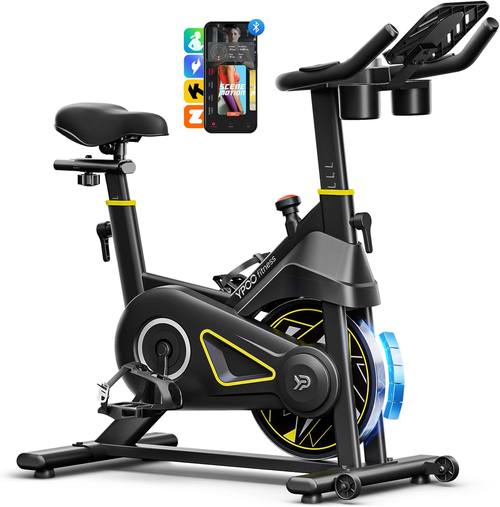
The generic 400-pound capacity bike is a tank, but it’s also loud. The chain drive negates the quiet that magnetic resistance provides. I measured 68 decibels at 85 RPM, which is noticeable in a quiet room. The YOSUDA PRO measured 55 decibels at the same effort. That’s a huge difference.
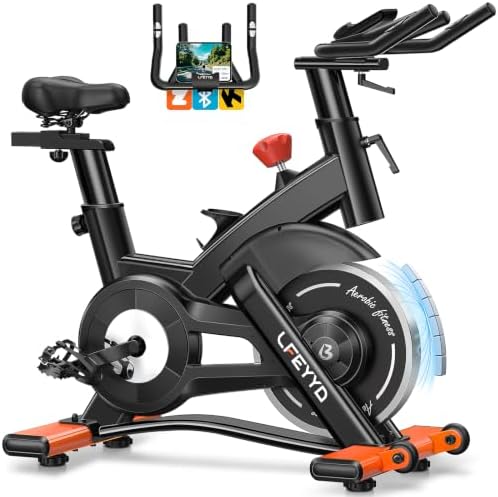
The last one is a budget option that does the job, but the flywheel is light and the ride feels jerky. It’s fine for casual riders, frustrating for anyone who’s ridden a proper spin bike.
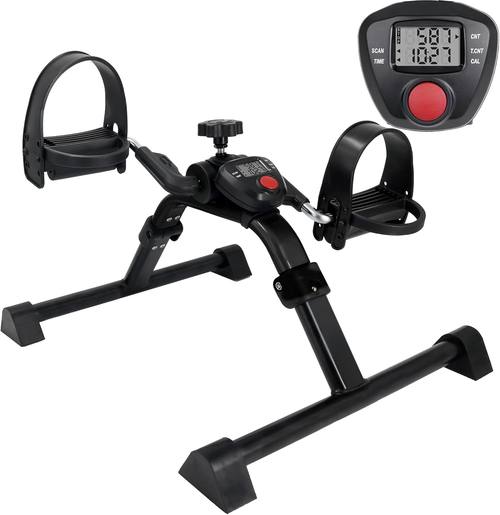
The standard YOSUDA
The original YOSUDA is still a solid value at ~$300, but the chain drive makes it noticeably louder than the PRO. It’s not bad, but it’s not quiet. If you’re in a house with thick walls, save the money. If you’re in an apartment, spend the extra ~$100 on the PRO.
What I’m testing next
I’ve got a JOROTO magnetic resistance bike in the garage that I’m putting through the month-three test. The early signs are good, but the tablet holder is flimsy and I want to see if the bearings hold up. I’ll update this piece when I have the results.
Last updated: June 2025. The YOSUDA PRO has been in my garage for three months and 40-plus rides. Still silent, still stable, still my top pick under ~$500.