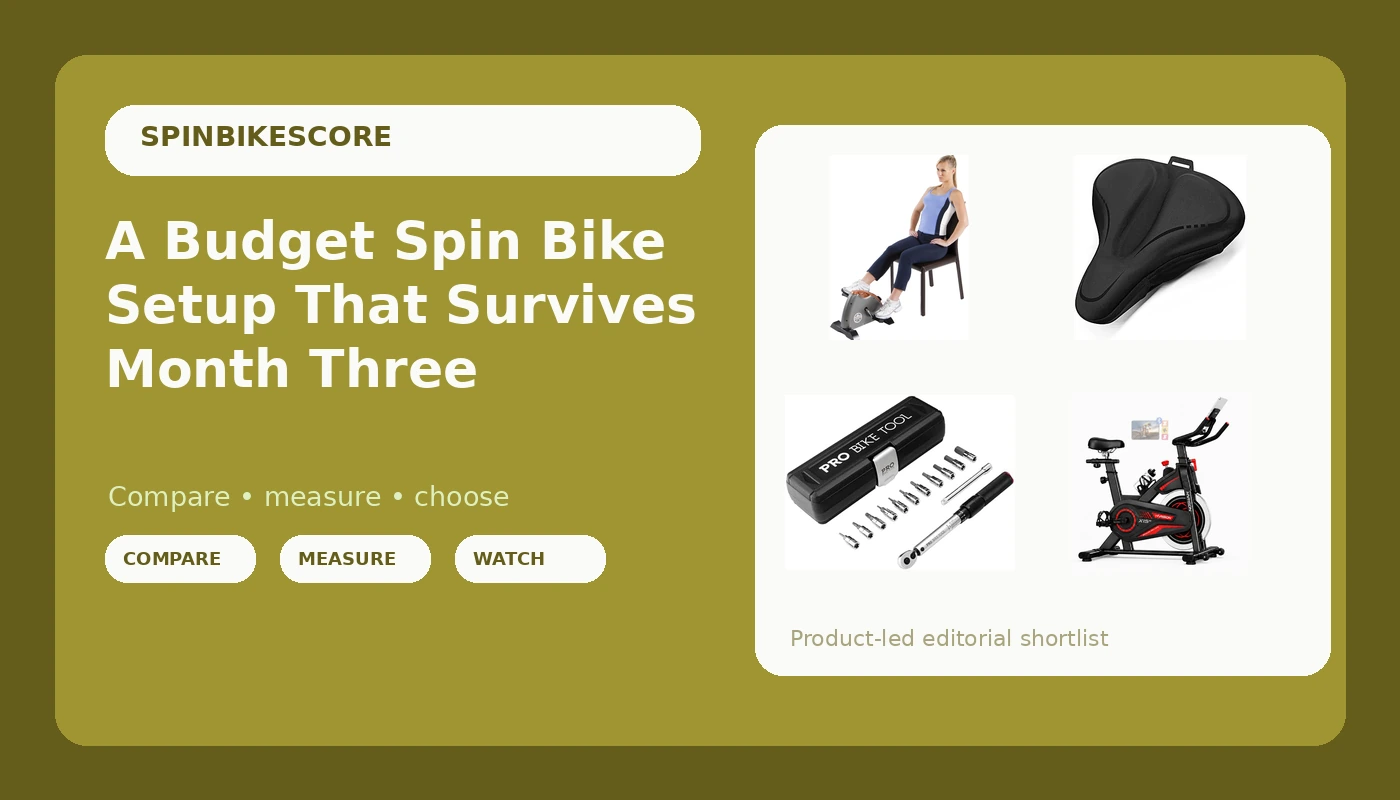
Related: How to Set Up a Spin Bike So Your Knees Stop Complaining
The first thing I tell anyone building a budget spin bike setup is that the bike is only half the purchase. The other half is the stuff that never shows up on a spec sheet: a seat that does not bruise you at mile 20, a wrench that keeps your pedals where you bolted them, and a plan for the days your knees want something gentler than a 45 minute climb.
I have taught more than 5,000 classes, first in studios and now out of a converted garage in Boise, and I have ridden everything from commercial bikes that cost more than my first car down to the cheapest Amazon specials my riders drag in. I test every bike the same way: 50 miles on it, a standing sprint at full resistance, a literal sweat test at max effort, and a bearing check at month three. I keep a wrench set by the door because every bike in my garage has needed one.
So here is the order I would buy things in, and the reasons why.
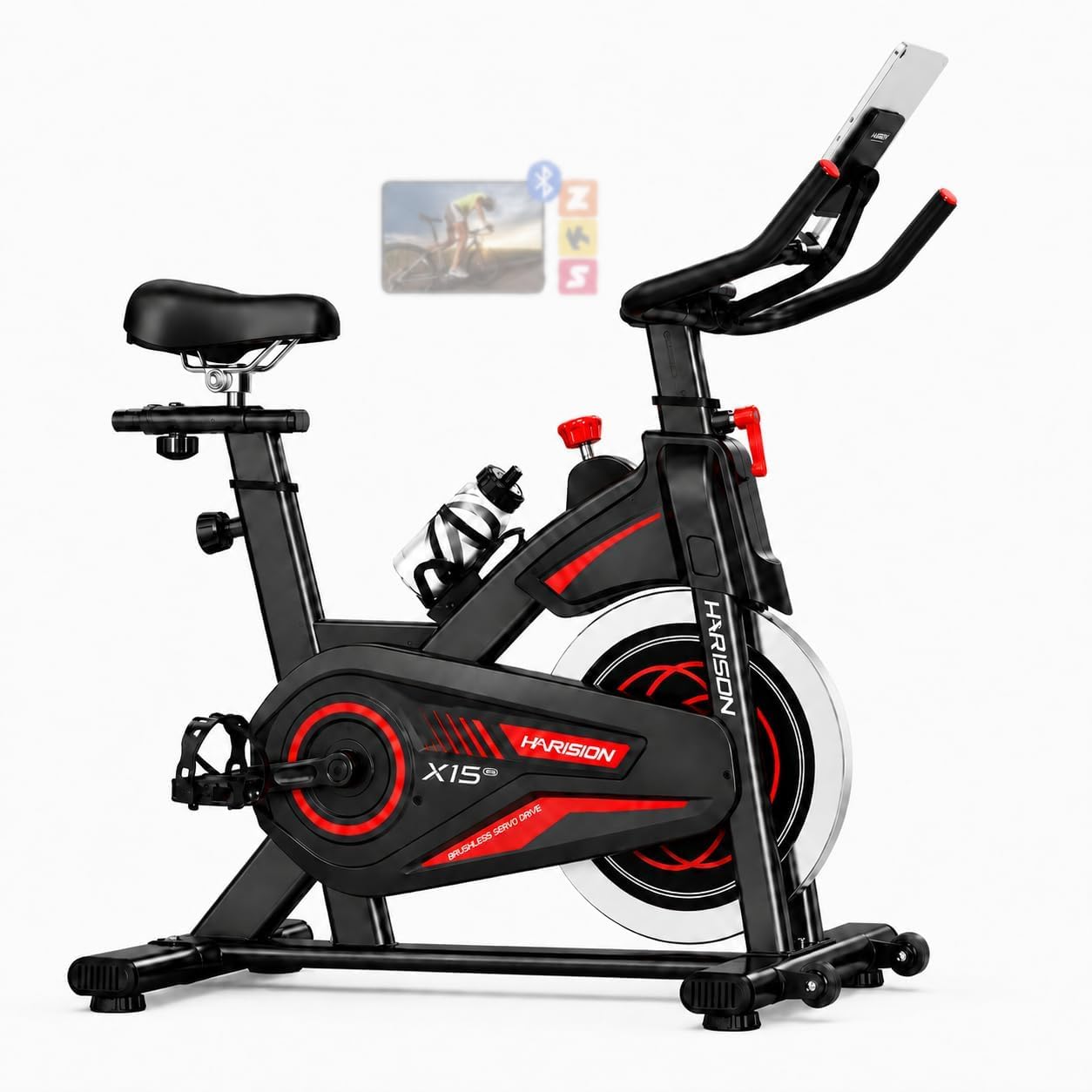
Best Overall: HARISON Exercise Bike
If you want one bike that covers a home spin setup without commercial bike money, this is where I would start. Magnetic resistance, a 350 lb weight capacity, a tablet mount, Bluetooth app support, and a seat cushion that arrives comfortable enough that you do not have to shop for a replacement on day one. That last part is rarer than it should be.
The first test is always the standing sprint. I crank the resistance to the top of the range, come out of the saddle, and watch the frame. A bike that walks across the floor at sprint resistance is a safety problem, not an annoyance, and it is the fastest way to tell a real frame from a welded tube set with a logo stuck on it. A bike with this weight rating and a magnetic brake has the mass to stay planted, and that is why it sits at the top of this list.
Magnetic resistance is also the part you feel in year two. Felt pads work, and I have ridden good bikes with them, but pads wear, they get noisy, and they need adjusting. Magnets do not. The brake pad gives you the emergency stop you want when you are riding hard, and the tablet mount means you can run a class without balancing a phone on the handlebars.
The First Upgrade: ANZOME Bike Seat Cushion
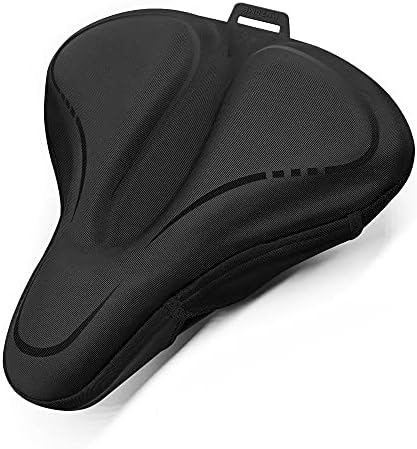
The seat is the first thing to replace on about 90 percent of budget bikes, and this cushion is the cheapest fix that actually works. Wide foam over a soft gel layer, sized for saddles between 8.5 and 10 inches wide, with a rain cover included if your bike lives in a garage or on a covered porch.
Two things I tell every rider about cushions. Measure your saddle before you order, because a cushion that is too wide rubs the inside of your thighs raw and one that is too narrow slides around underneath you. And a cushion is a comfort fix, not a fit fix. If your seat is the wrong shape for your sit bones, no amount of gel will save you, and the answer is a different saddle, not a thicker pad.
Where it earns its place: on a stationary bike with a stock saddle that feels like a brick, on a cruiser you ride around the neighborhood, and on any exercise bike where the seat is the reason you cut rides short. I would rather see a rider spend a little on a cushion and finish a 45 minute ride than quit at 20 minutes on a hard saddle.
Best Small Space Option: Marcy Under Desk Pedal Exerciser
This is not a spin bike, and I am not going to pretend it is. It is a portable mini bike you pedal with your legs or your arms, and it solves a different problem: the rider who is not ready for a full bike, the desk worker who wants circulation during the workday, and the warmup before a class.
I recommend it for three groups. Riders coming back from an injury who need low resistance and a short range of motion. Anyone who works from home and wants to move without leaving the chair. And riders who want a second, easy session on a day when a full ride is not happening. It also fits under a desk in an apartment, which is more than I can say for anything else on this list.
What it will not do is hold you in a standing sprint, and the resistance range is nothing like a magnetic spin bike. Set it on a hard, non-slip floor and check that it is not creeping while you pedal. For the money, it is the lowest risk way to find out whether you actually enjoy turning your legs for 30 minutes, and that question is worth answering before you buy a bike.
The Tool That Saves the Bike: PRO BIKE TOOL Torque Wrench Set
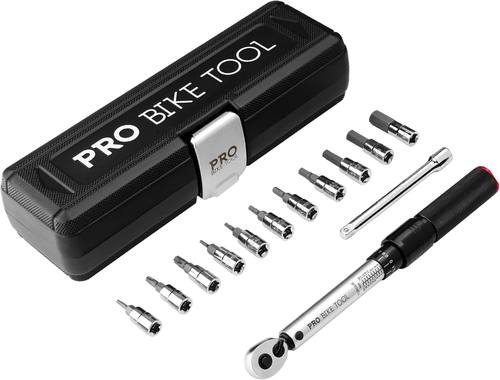
Every bike in my garage has needed a wrench, and this is the one I reach for. A 1/4 inch drive torque wrench with a 2.2 to 16.9 Nm range covers the fasteners that matter on a home spin bike: seat post clamps, handlebar bolts, pedal threads, and cleat hardware.
Here is why torque matters and why a plain hex key is not enough. Under-tighten a seat post clamp and your saddle drops in the middle of a climb. Over-tighten a handlebar bolt and you can crush the clamp or crack the post, which is a much more expensive mistake than buying the right tool. The click tells you when you are there.
Two habits. Reset the wrench to its lowest setting before you put it away, because a spring left compressed loses its calibration. And do not use it as a breaker bar on a pedal that has been seized for two years. Break the bolt loose with a regular key first, then torque it.
That is the whole list. Bike, seat, small space option, and the tool that keeps all of it together.
How I tested
I do not write about a bike until it has 50 miles on it, and I do not write about it at all if it fails the standing sprint test. That test is simple: full resistance, out of the saddle, and watch what the frame and the handlebars do. If the bike walks across the floor or the bars flex under my hands, the ride is over.
Then the sweat test. Forty five minutes at max effort, and I look at what the paint, the steel, and the console did afterward. Cheap finishes fail this test, and so do consoles that fog up or buttons that stop responding when your hands are wet.
Then the month three bearing check, because the flywheel bearings are where budget bikes tell the truth. A bike that felt fine in week one and grinds in week twelve was never a good bike, it was a good first impression.
I also measure noise during a real ride rather than trusting a marketing claim, and I put riders between 5'0" and 6'4" on every bike, because a seat height that works for me is not a fit recommendation for anyone else.
Analysis and test results
Three things separate a bike you keep from a bike you sell in month four.
Stability at sprint resistance comes first. Flywheel weight is marketing until you are standing on the pedals, and then it is physics. A heavier flywheel smooths the pedal stroke, but it also means more force going into the frame when you stand up and push. That force has to go somewhere, and on a cheap frame it goes into a wobble.
Resistance feel comes second. Magnetic resistance is smoother than felt pads across the whole range, and it does not wear out. Felt is fine on a well-built bike, but a plastic resistance knob that slips mid-ride is the tell that the rest of the bike was built to a price. I have felt a knob slip at mile 30, and there is no recovering a ride after that.
The third is the contact points. Pedals with plastic cages, seats that feel like a brick at mile 20, and bars that are too wide or too narrow all send riders back to the couch. Comfort beats specs every time, which is why the seat cushion and the wrench are on this list at all. A bike that fits you and stays tight beats a bike with better numbers on the box.
The home spin setup reference table
This is the order I would buy things in, and what each piece is actually for. Prices move, so check the listing before you commit.
| Item | Role in the setup | Buy it when | What to watch |
|---|---|---|---|
 Visit on Amazon → HARISON Exercise Bike |
The bike itself | You want one bike for classes, apps, and interval work | Do a standing sprint at full resistance before you trust the frame |
 Visit on Amazon → ANZOME Bike Seat Cushion |
Contact point fix | The stock saddle is the reason your rides end early | Measure your saddle width before you order |
 Visit on Amazon → PRO BIKE TOOL Torque Wrench Set |
Assembly and maintenance | You are building or adjusting the bike yourself | Reset it to the lowest setting after every use |
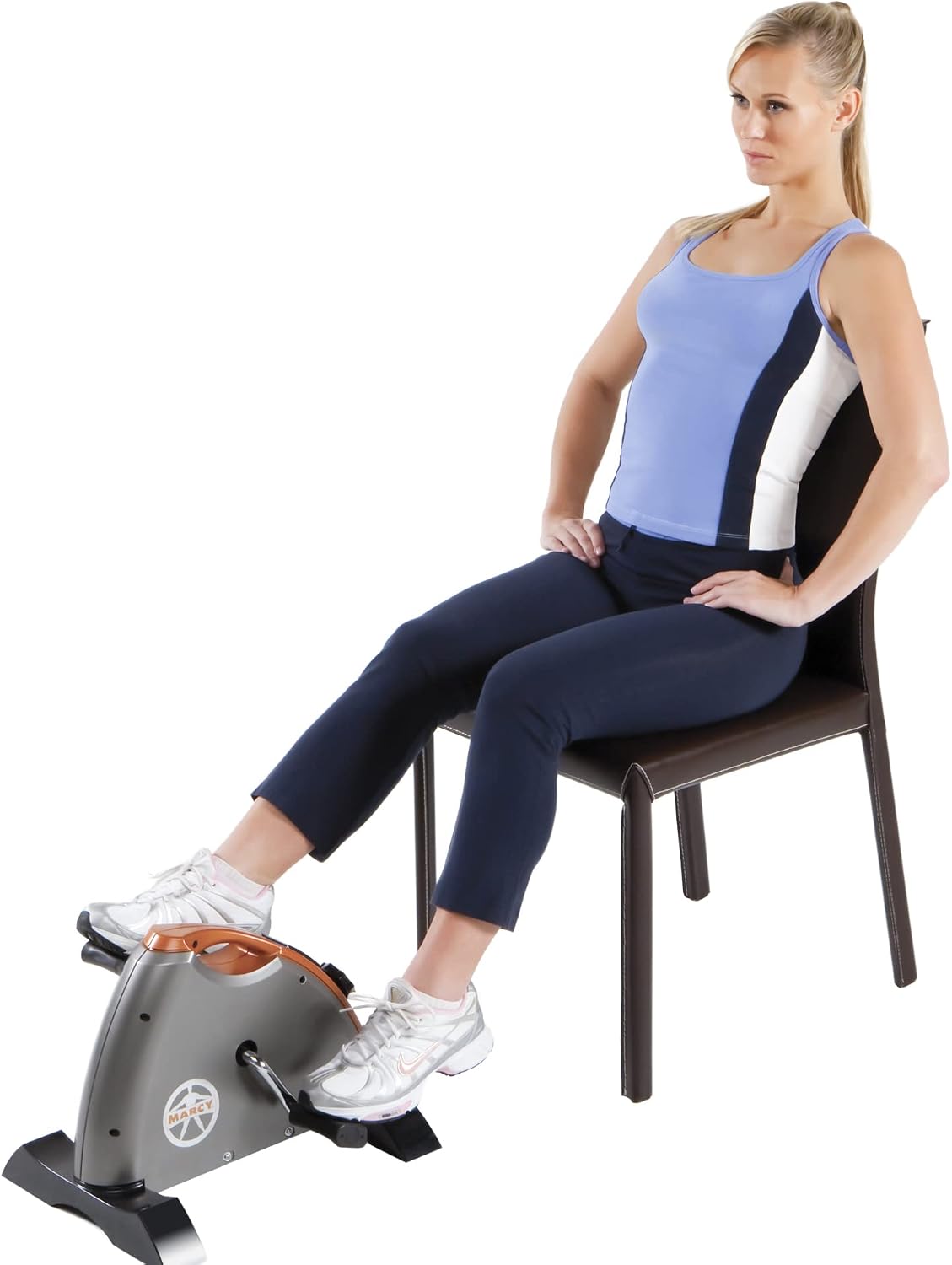 Visit on Amazon → Marcy Under Desk Pedal Exerciser |
Low impact and small spaces | You are rehabbing, desk bound, or warming up | It is not a substitute for a spin bike |
What I skip
I skip bikes marketed as whisper quiet when the resistance knob is plastic. You will feel that decision in year two, and the noise claim will not matter when the knob slips mid-ride. I skip pedals with plastic cages, and I skip any bike whose only stability claim is a marketing line rather than a weight rating.
I also skip the idea that a $1,500 bike automatically beats a $400 bike. That is not what I see in my garage. What I see is that a bike which fits you, stays tight, and does not hurt to sit on gets ridden, and a bike that fails any of those three gets sold. The gap between the budget tier and the mid tier has been shrinking, mostly because the mid tier got worse.
Should you buy the HARISON Exercise Bike?
Yes, if you want a home bike with magnetic resistance, a tablet mount, and a weight capacity that covers bigger riders, and you are not paying for a subscription ecosystem. It is the bike I would hand a rider who wants to train at home four or five days a week, and the seat that comes with it is comfortable enough to start on, which means you ride the first week instead of shopping for parts.
What I would not do is buy it and skip the assembly checks. Torque the bolts, check them again after the first week, and do your own standing sprint at full resistance before you trust the frame. Every bike needs that, and the ones that fail it fail loudly.
Should you buy the ANZOME Bike Seat Cushion?
Yes, if your rides are ending at mile 20 because of the saddle and you have measured your seat width. It is the cheapest fix on this list and it applies to almost any bike you already own, whether that is a stationary bike, an exercise bike, or a cruiser with a hard stock seat.
Do not buy it expecting it to fix a saddle that is the wrong shape for you, and do not order a size that does not match your saddle, because a loose cushion is worse than no cushion. Match the width, and it will carry you through a 45 minute class.
Should you buy the Marcy Under Desk Pedal Exerciser?
Yes, if you want movement without a full bike. It is the right call for rehab, for desk work, and for a warmup, and it fits in a space where a spin bike never would. It is the wrong call if you want to stand up and sprint, because it is not built to hold you and it will not pretend otherwise.
Think of it as the lowest risk entry point into riding at home, and a good companion to a bike you already own. If it gets you pedaling on the days you would otherwise sit still, it has done its job.